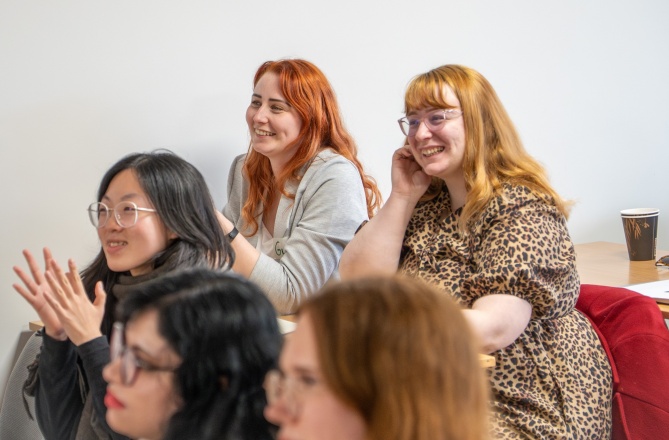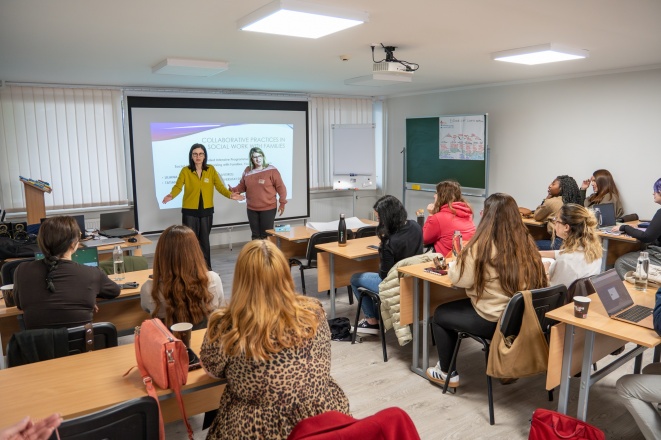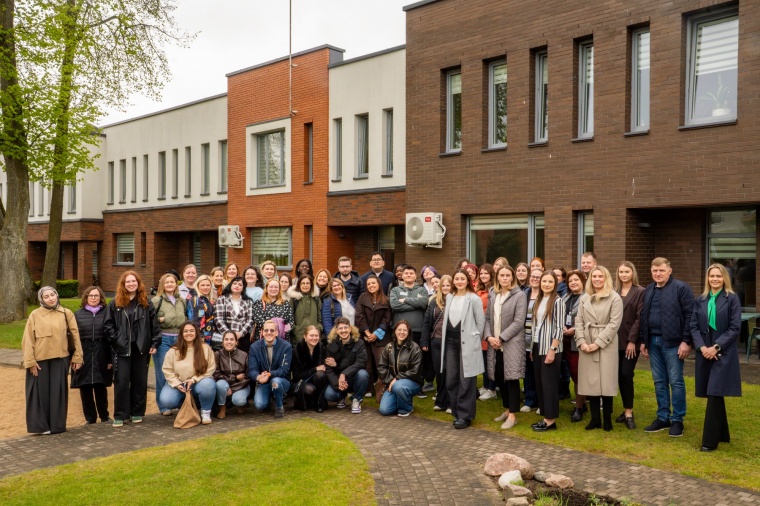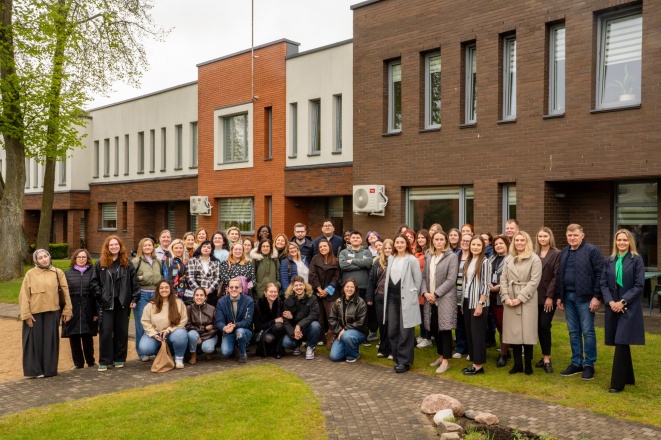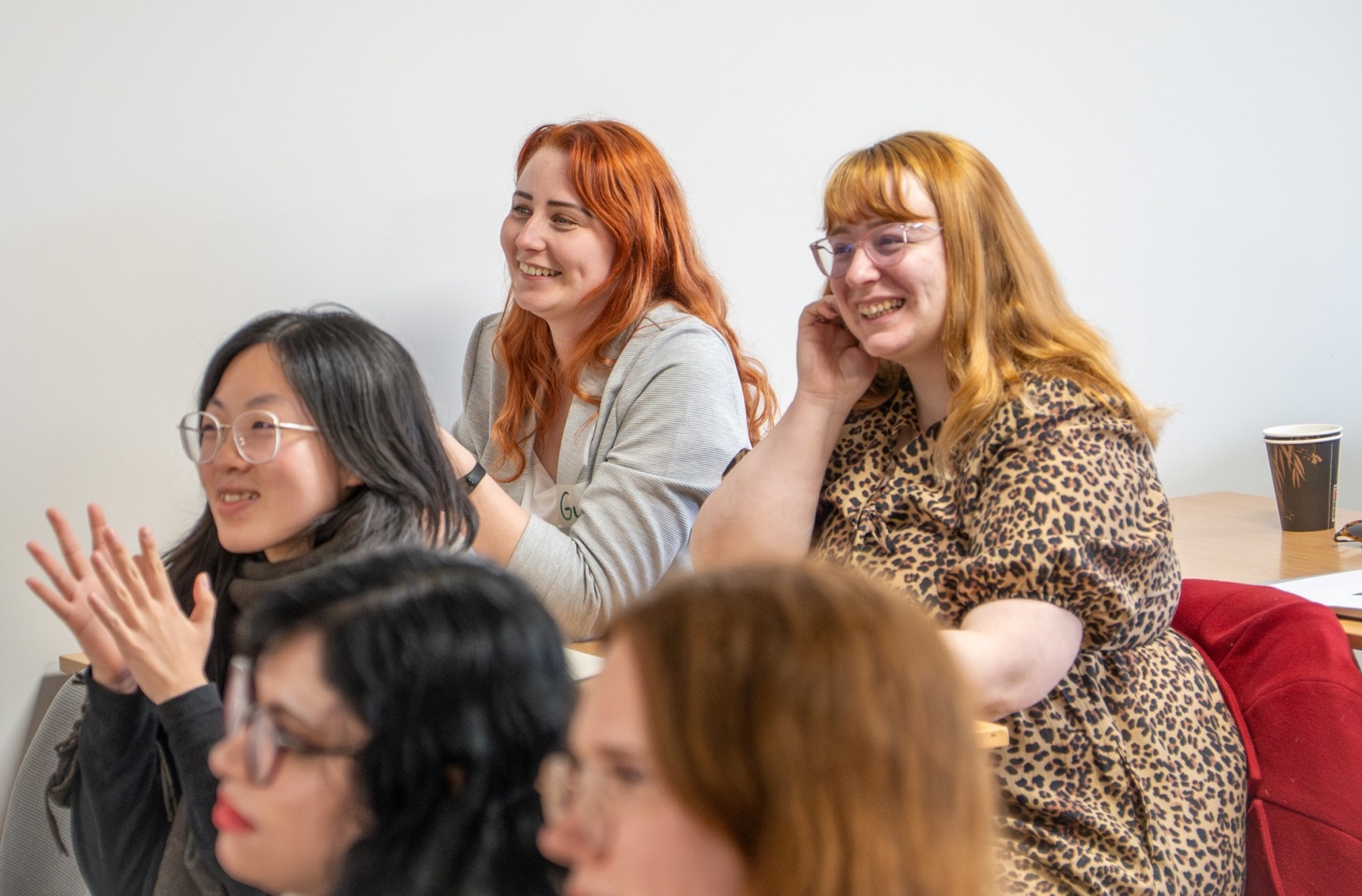



Participants of the International Programme Explored Innovations in Social Work
From March to May, Šiaulių valstybinė kolegija / Higher Education Institution implemented the blended intensive programme (BIP) “Social Innovations in Working with Families, Youth and Children.”
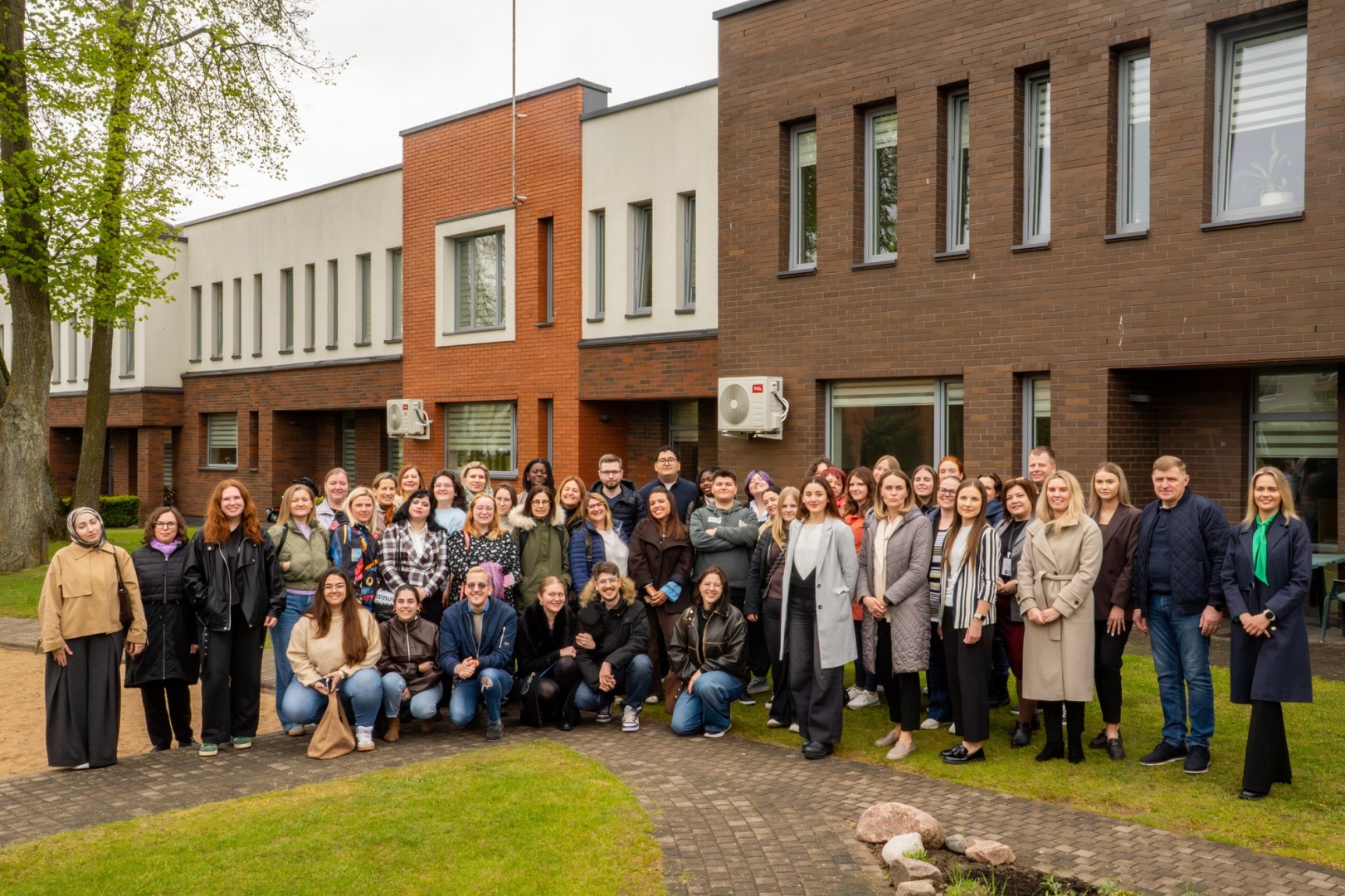
A total of 24 students from Estonia, Spain, Latvia, Portugal, and Turkey, as well as 5 students from Šiaulių valstybinė kolegija / Higher Education Institution participated in this programme.
Online classes for the BIP participants were held during March and April, while on-site sessions took place at our higher education institution from 11 to 15 May.
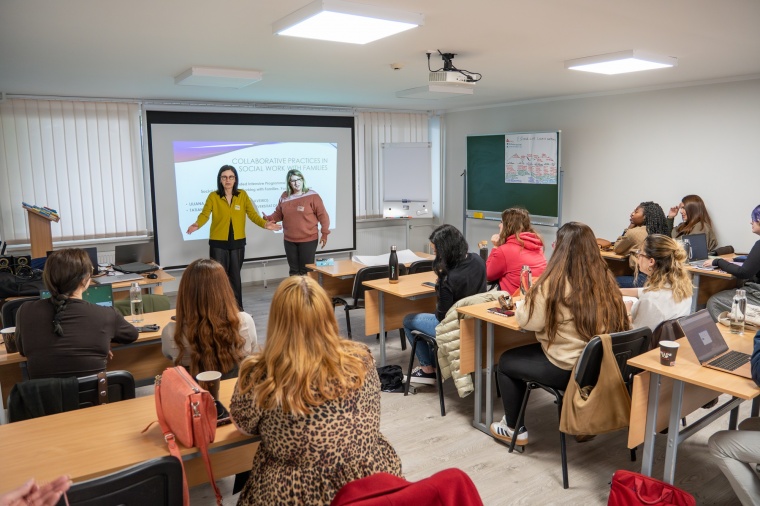
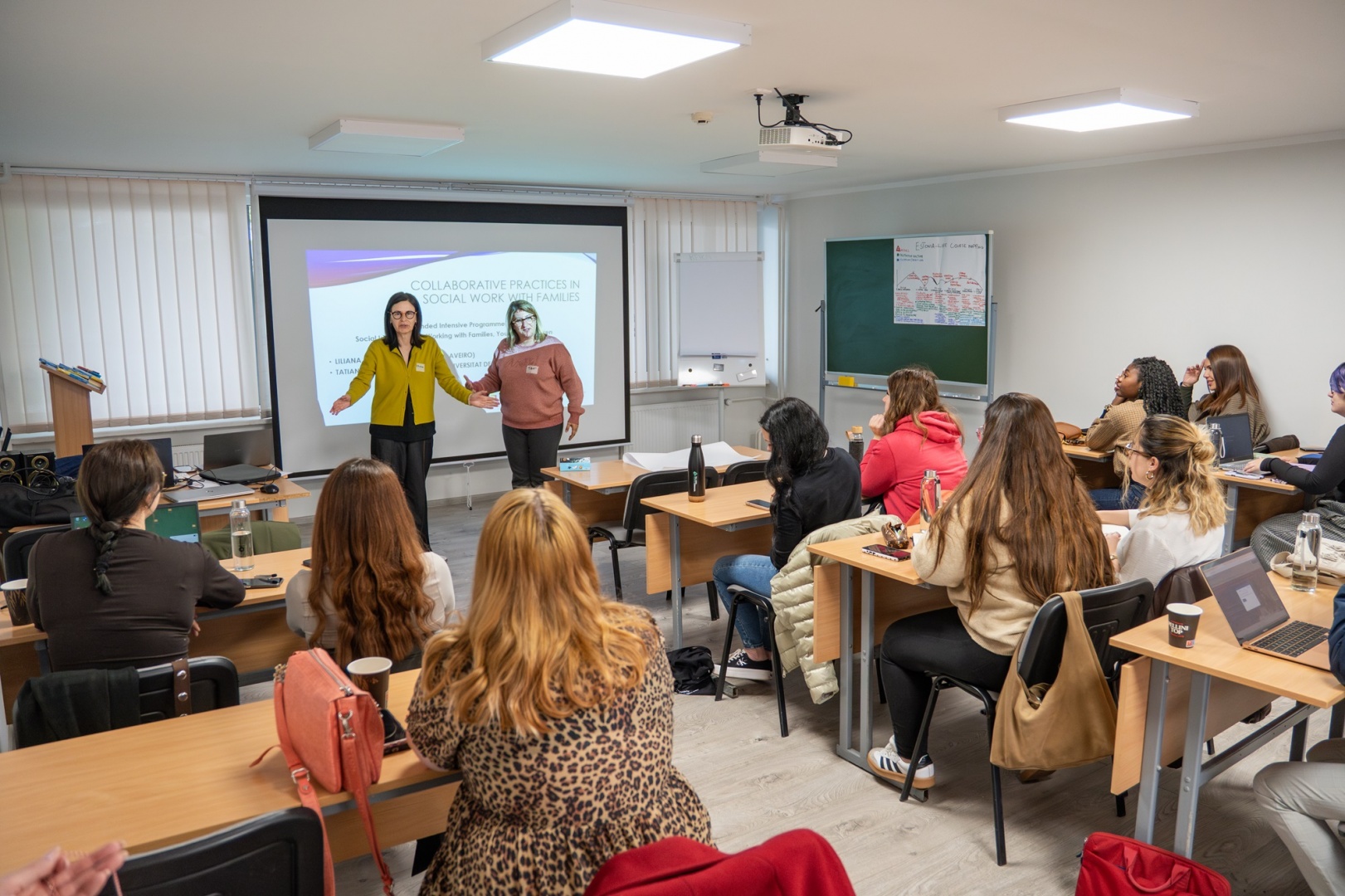
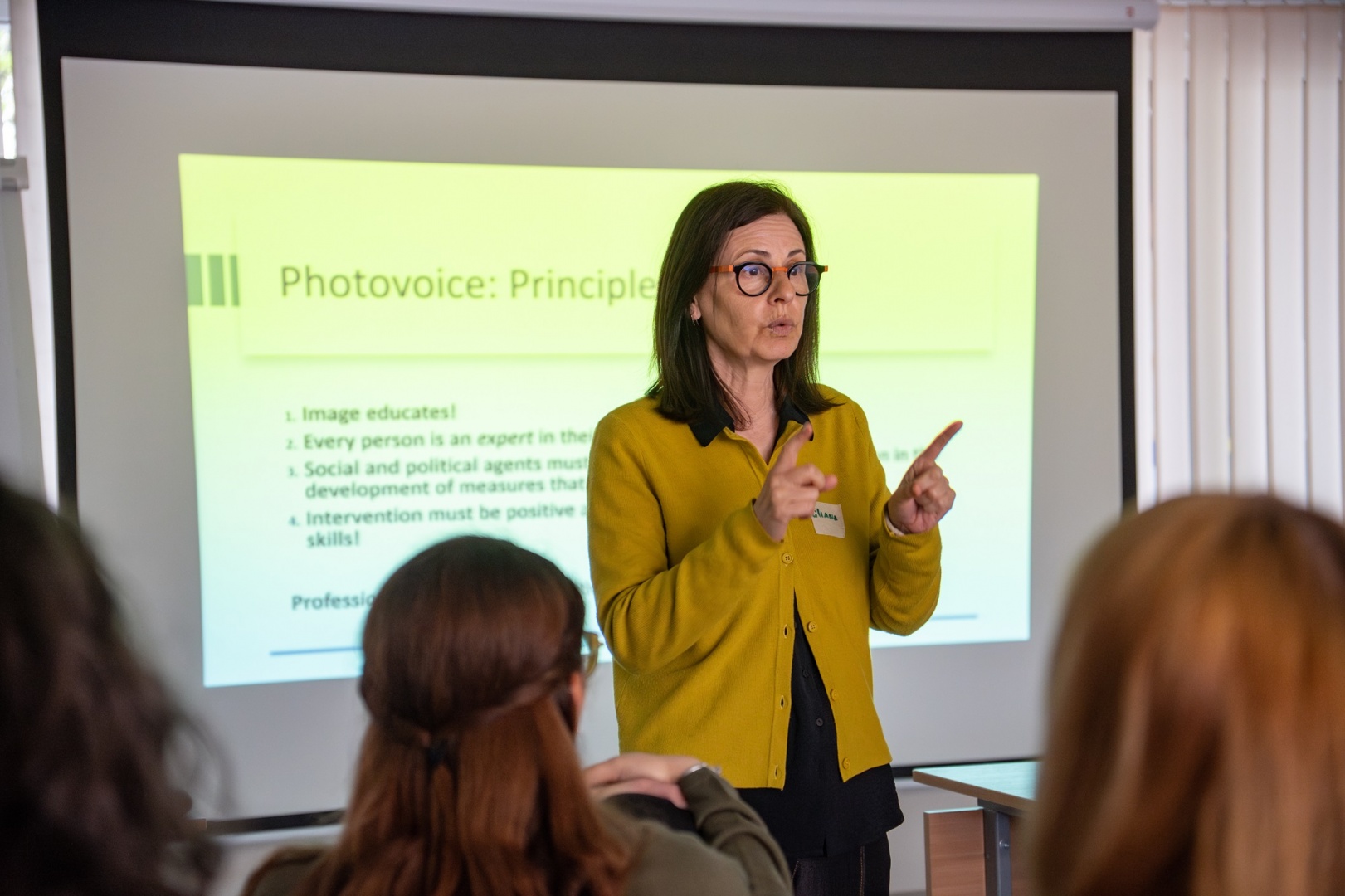
Throughout the programme, lectures and practical sessions were conducted not only by lecturers from our institution — Dr. Neringa Povilaitienė, Laima Milkintaitė, Dr. Lina Garšvė, and Samanta Petkevičiūtė — but also by lecturers from partner institutions: Ana Josefa Canas Lerma and Tatiana Casado de Staritzky from the University of the Balearic Islands (Spain); Elle Morel-Sipria and Merli Tammi-Joeveer from TTK University of Applied Sciences (Estonia); Elisete Diogo from the Polytechnic Institute of Portalegre (Portugal); Liliana Sousa from the University of Aveiro (Portugal); Liga Priedė from P. Stradiņš Medical College of the University of Latvia (Latvia); and Aslihan Kubra Sakarya from Istanbul Gelisim University (Turkey).
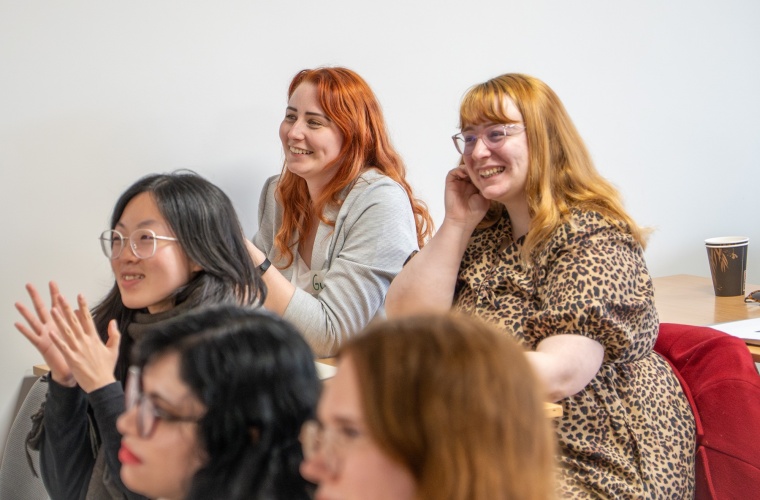
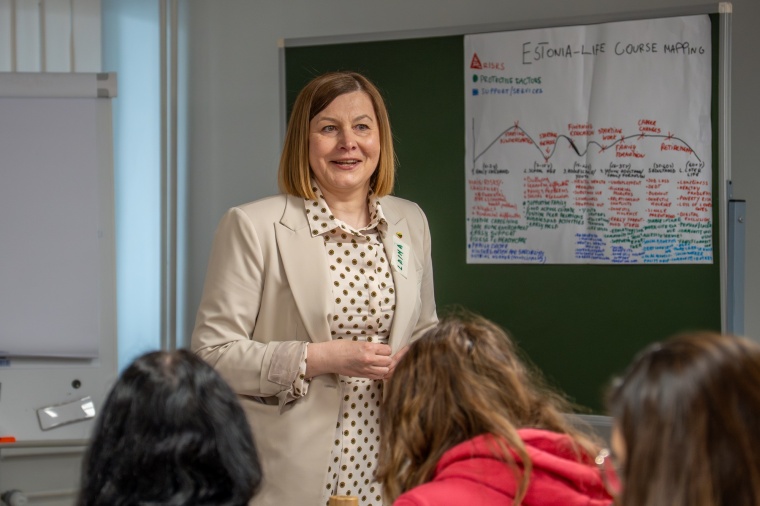
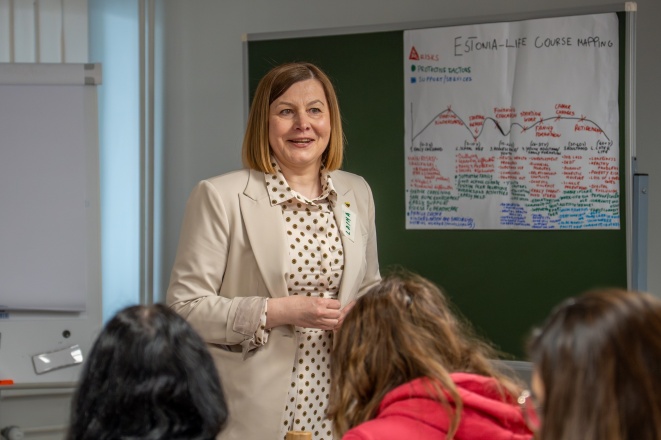
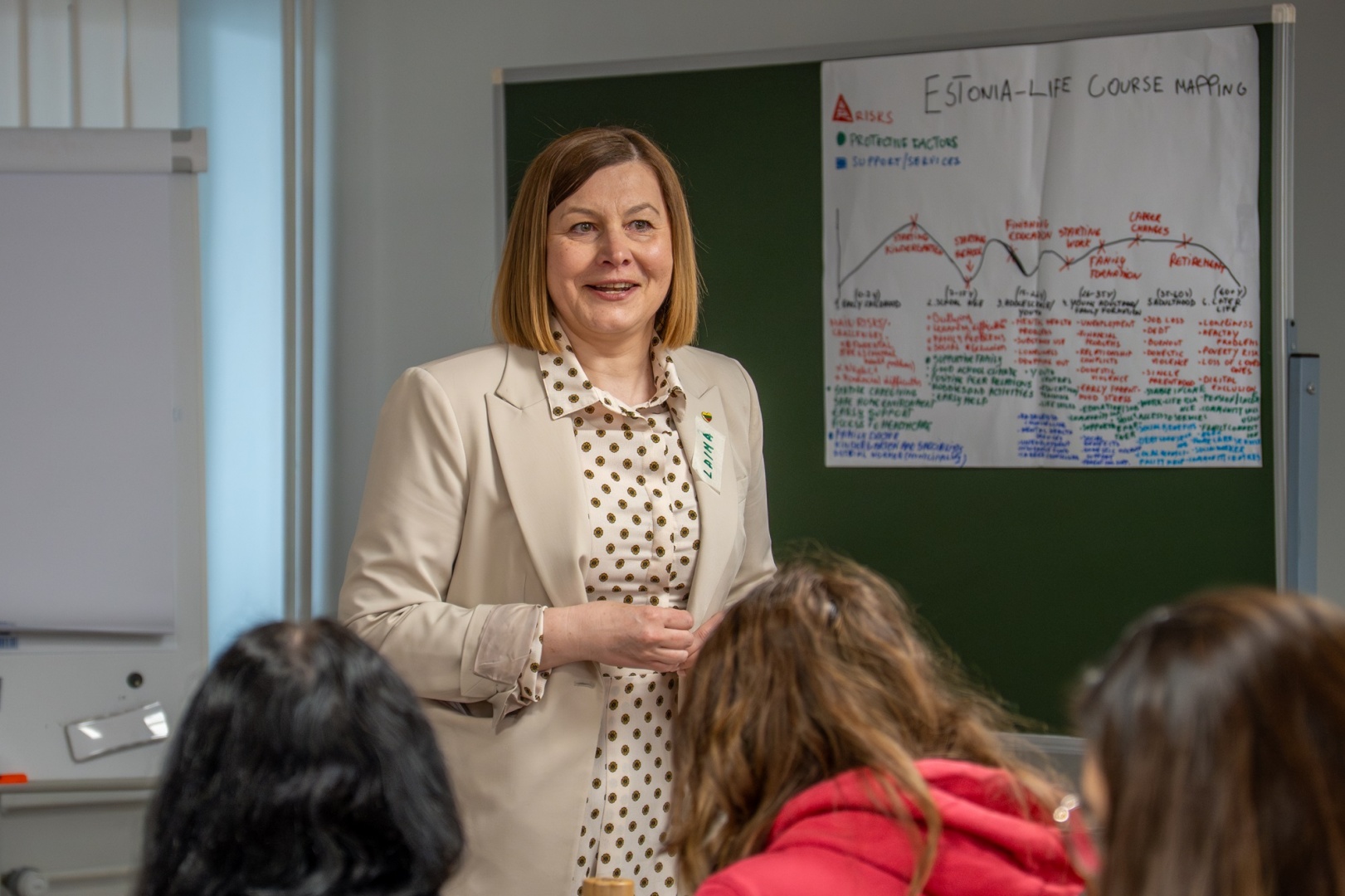
During the online lectures, the course programme was introduced, and participants — both lecturers and students — got acquainted with one another. The sessions also focused on analysing the general situation and the provision of social services for families, youth, and children in each participating country, as well as discussing challenges and possibilities for providing support.
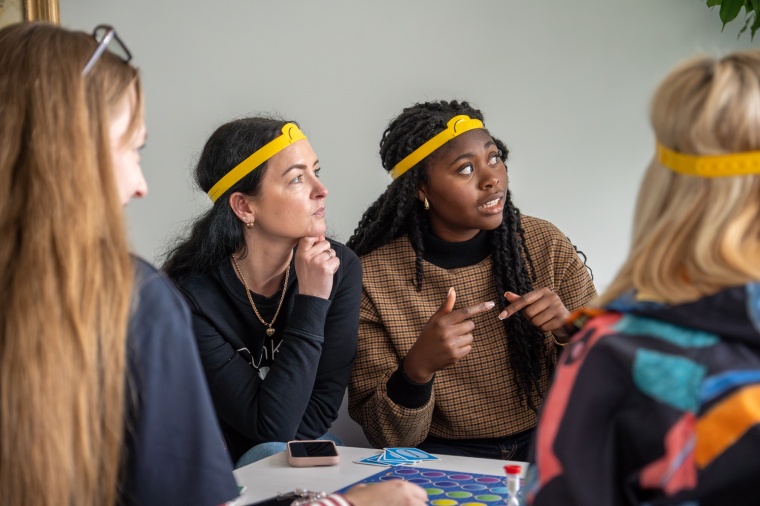
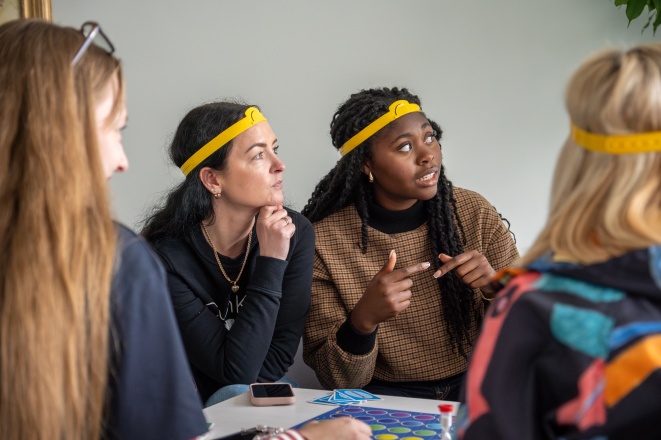
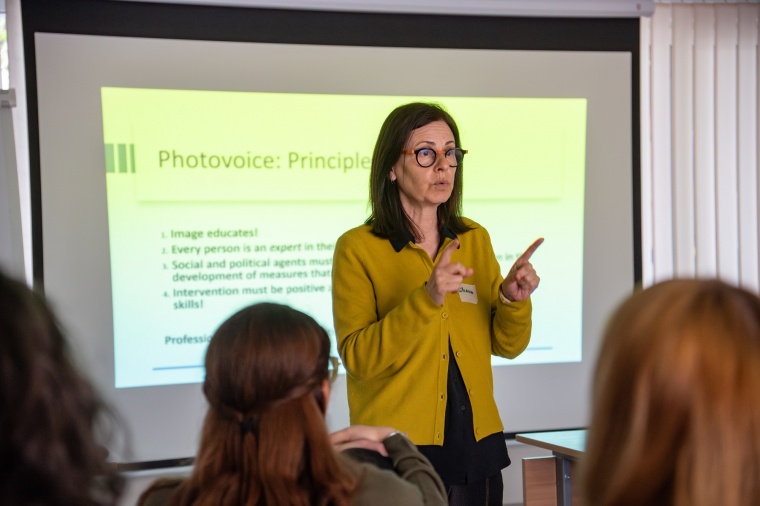
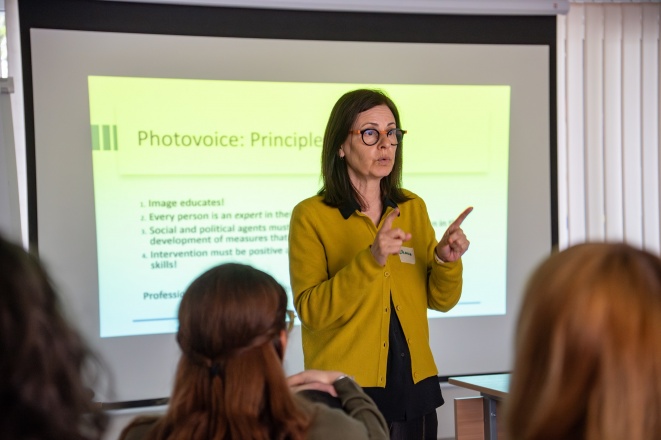
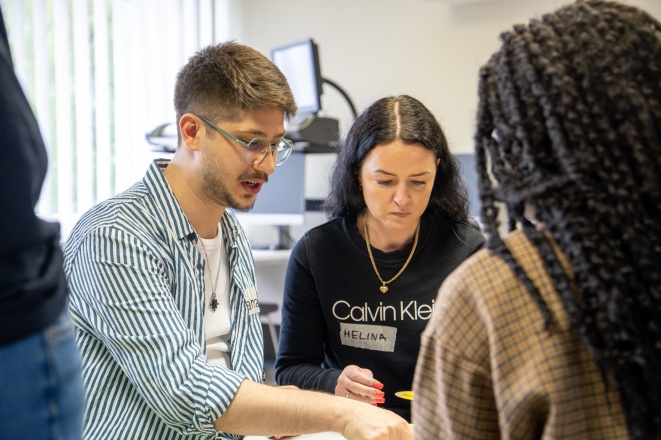
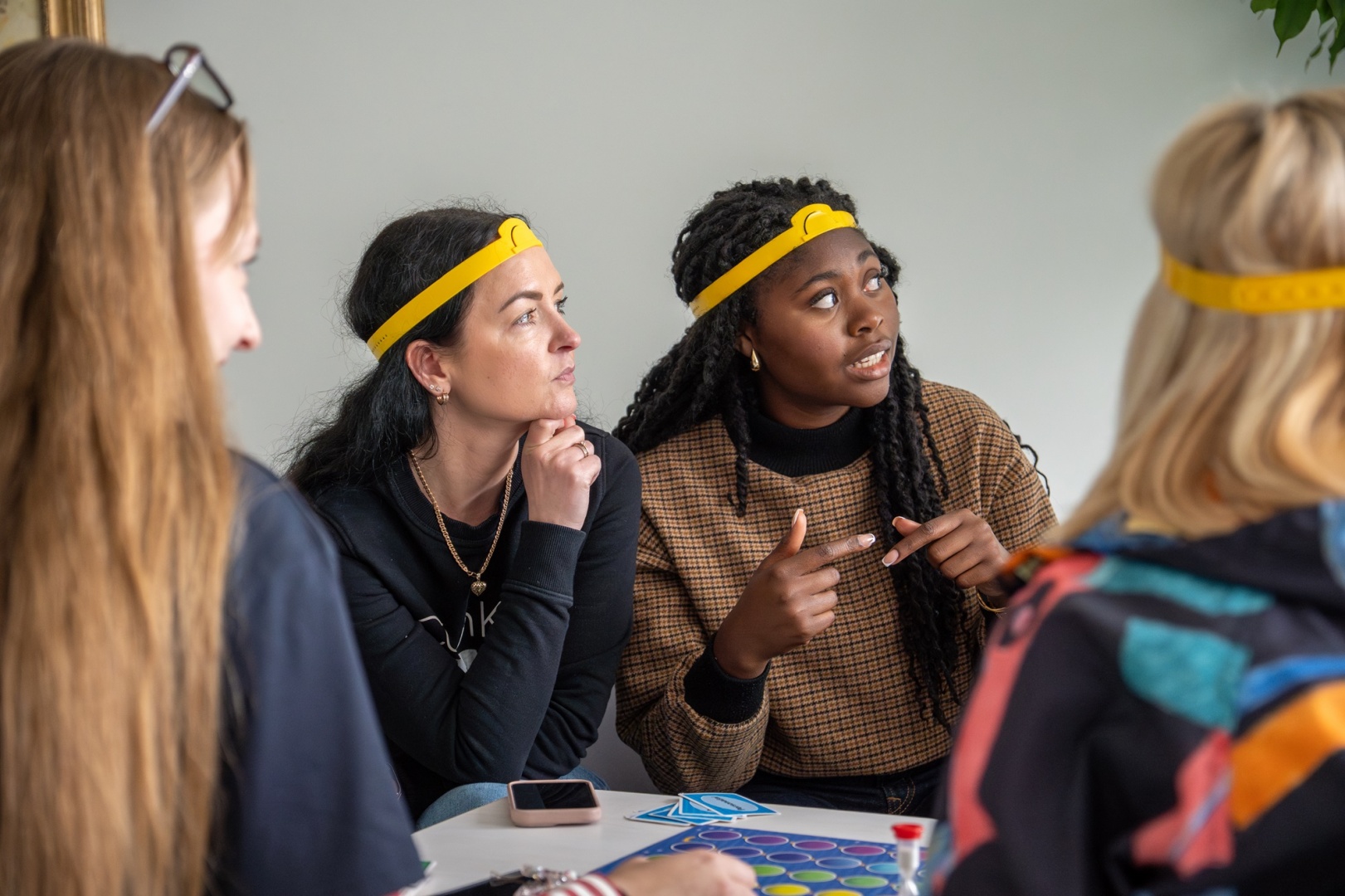
During the contact week, programme participants were introduced to innovative social work methods based on collaboration and family empowerment, which are applied when working with families, youth, and children. These included methods such as Photovoice, solution-focused approaches emphasizing positive change, educational board games in social work, eco-maps, genograms, and others. Theoretical knowledge was combined with practical activities throughout the programme.
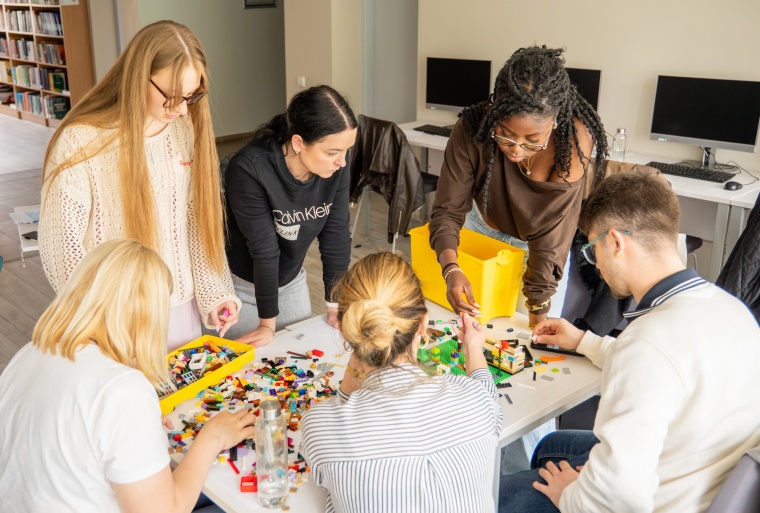
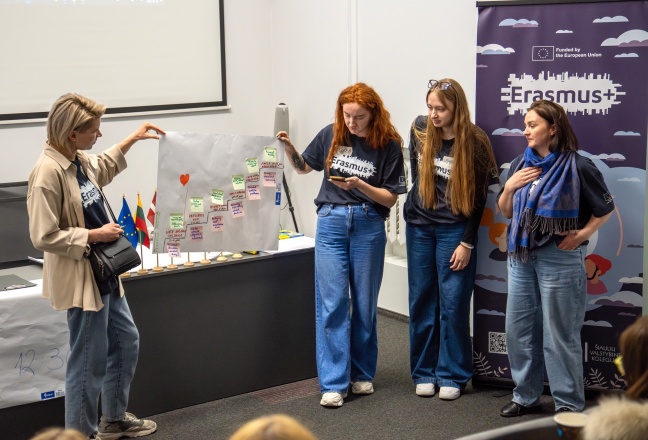
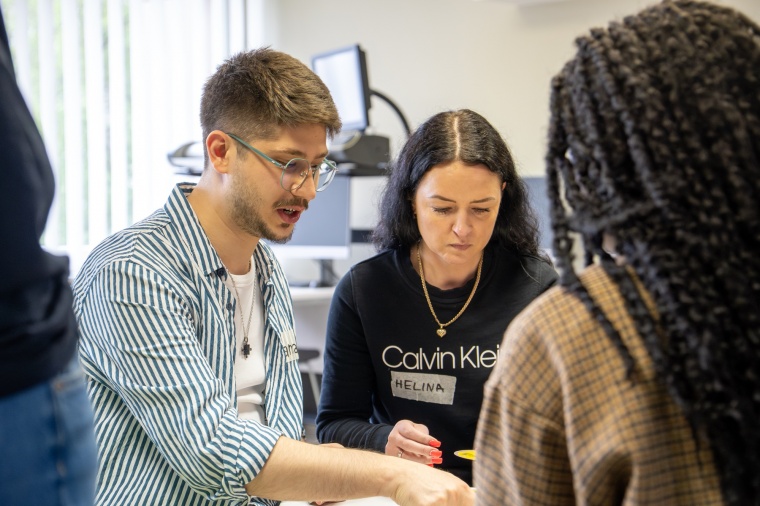
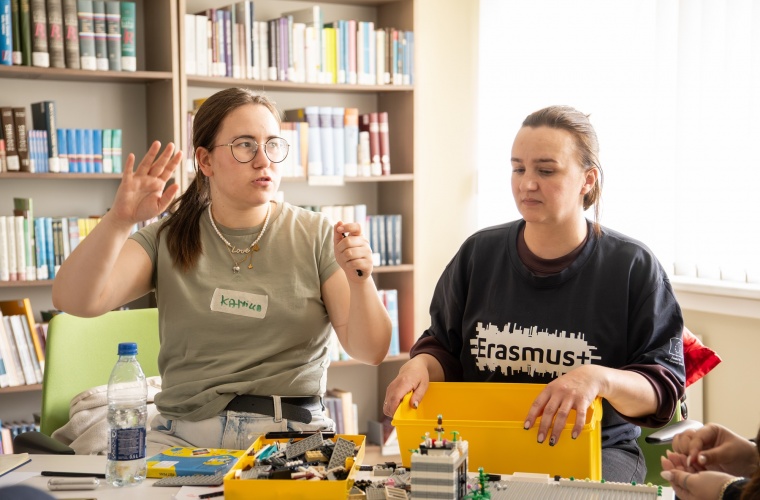
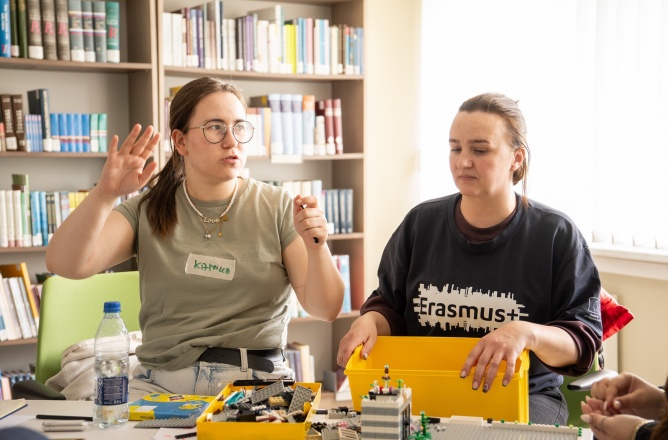
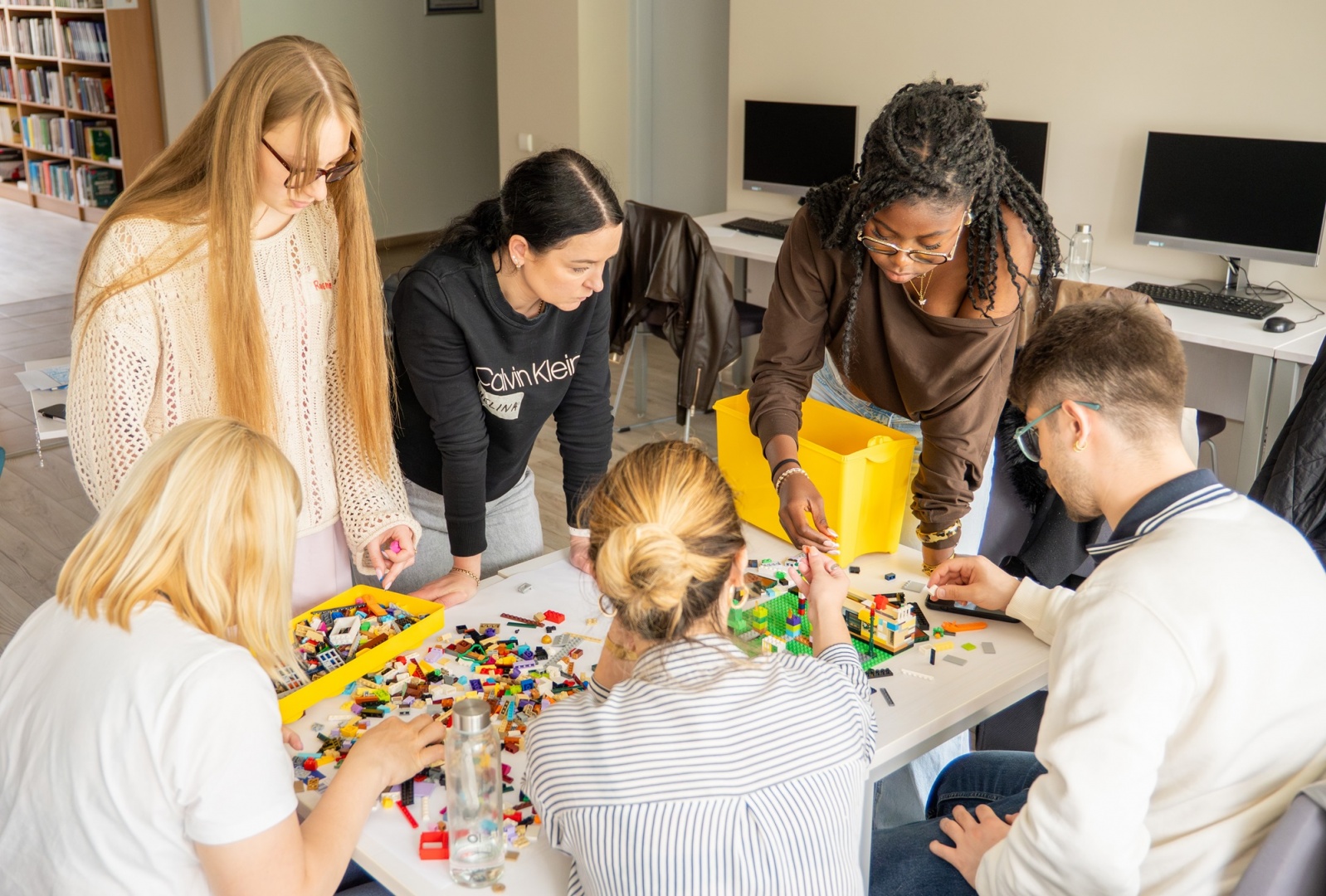
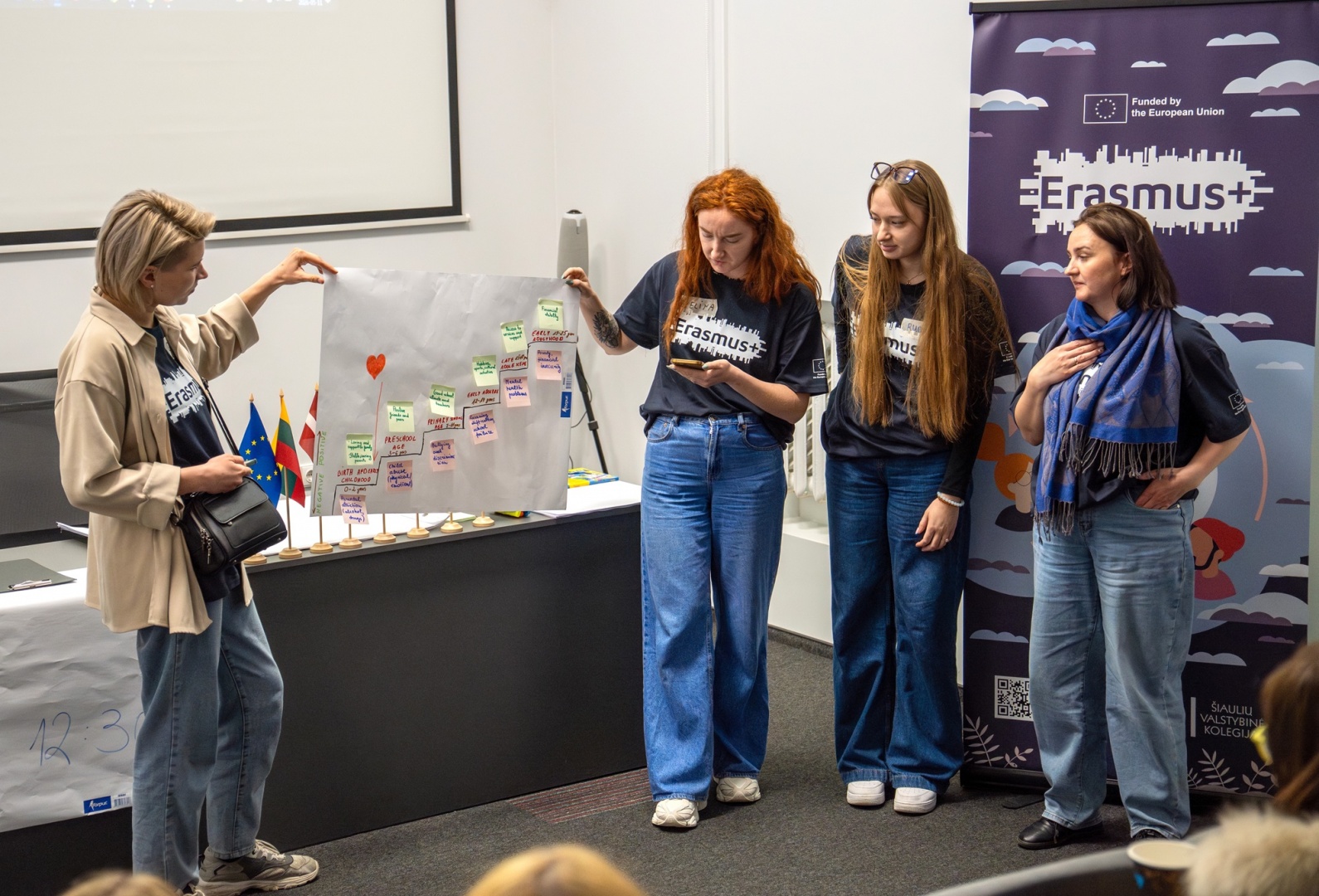
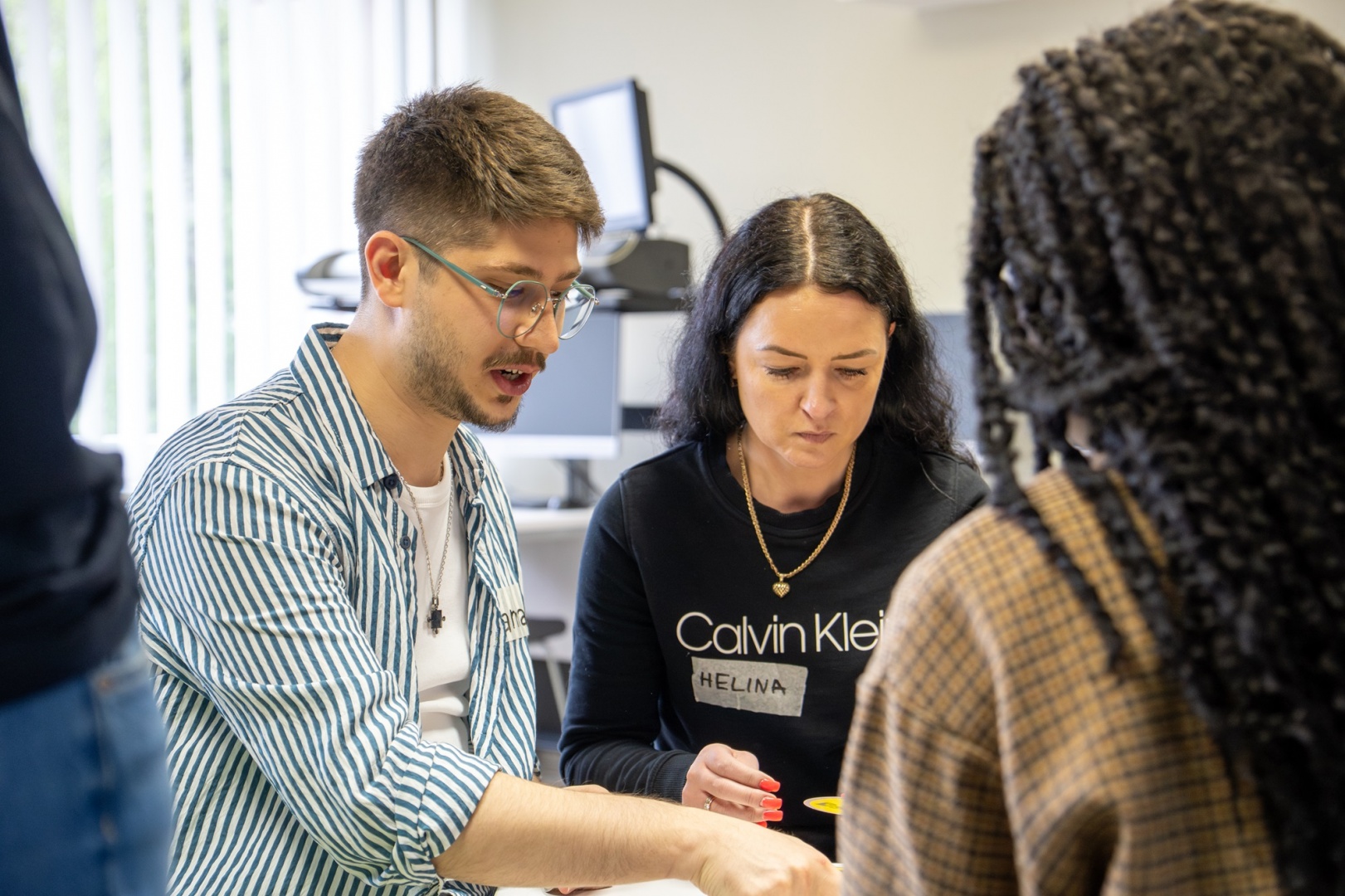
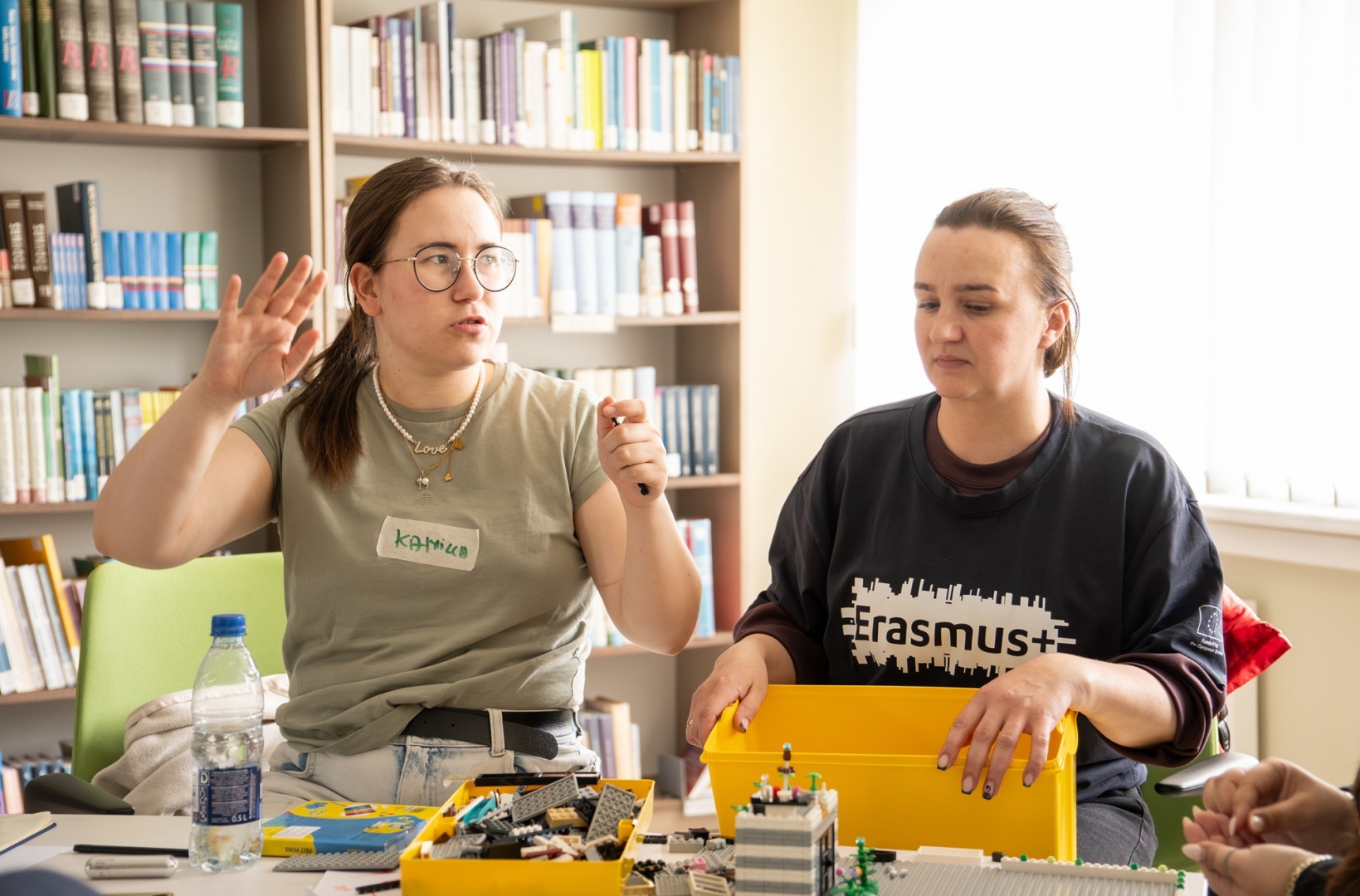
During the week in Šiauliai students worked in international teams to prepare final projects using the “Design Thinking” and “MethodKit” methods, as well as LEGO for prototype development. Each team selected a target group, identified a social problem, and defined the main needs of that group using MethodKit tools. Using LEGO materials, participants created prototypes aimed at solving the identified problems.
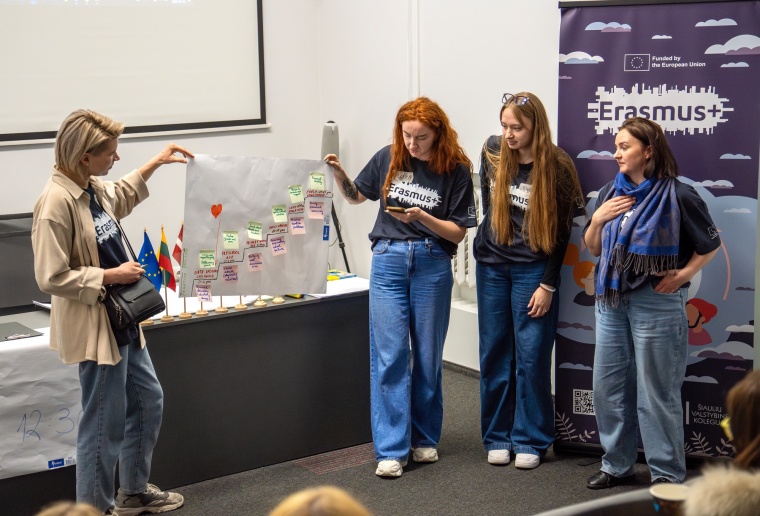
The five group project works prepared by the teams were presented at the international student conference “STUDENT. SCIENCE. HEALTH.”
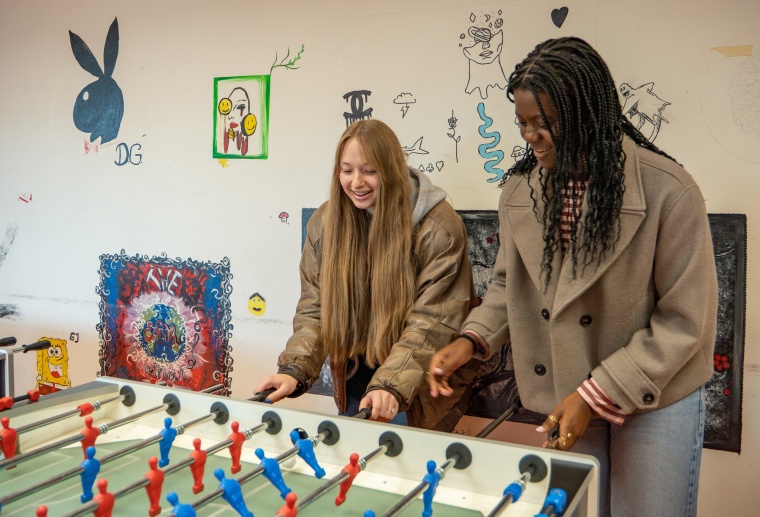
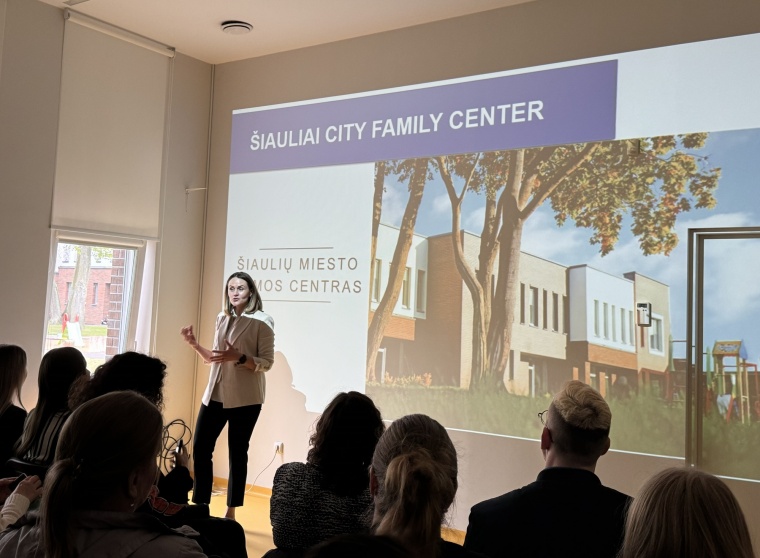
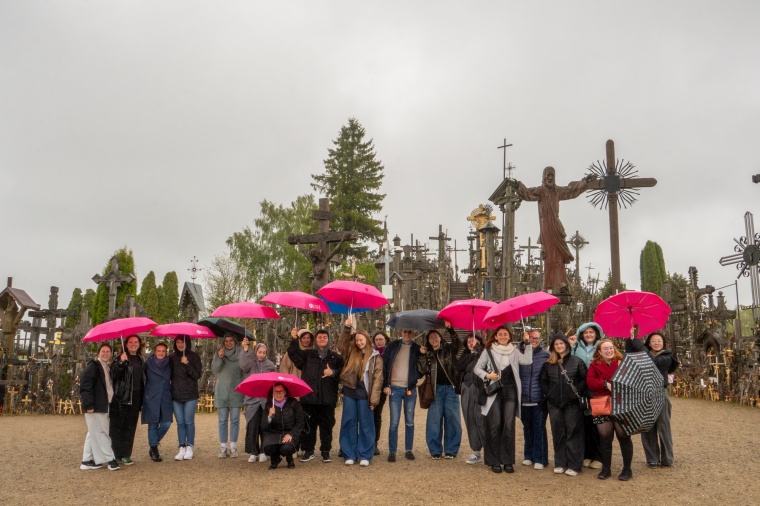
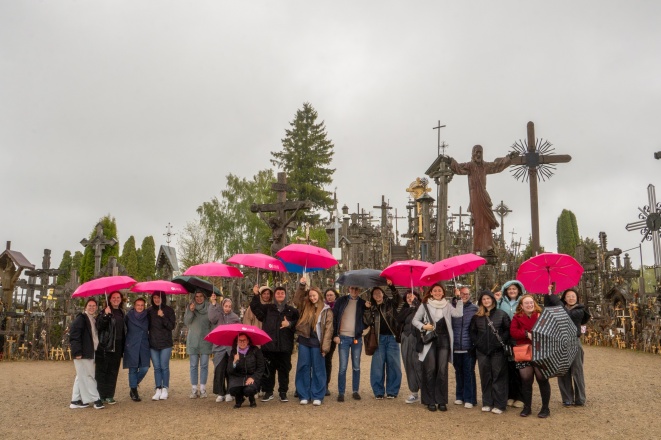
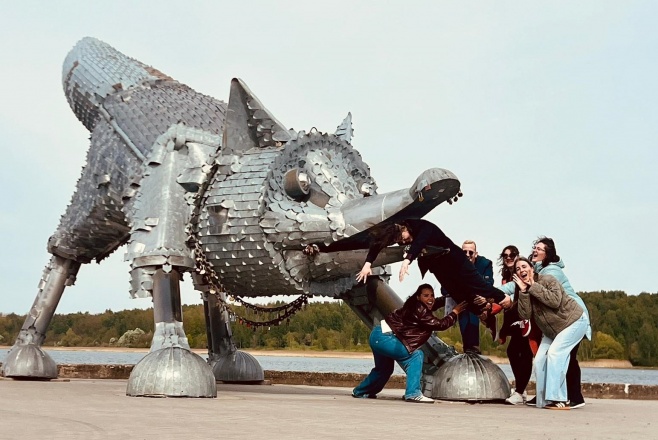
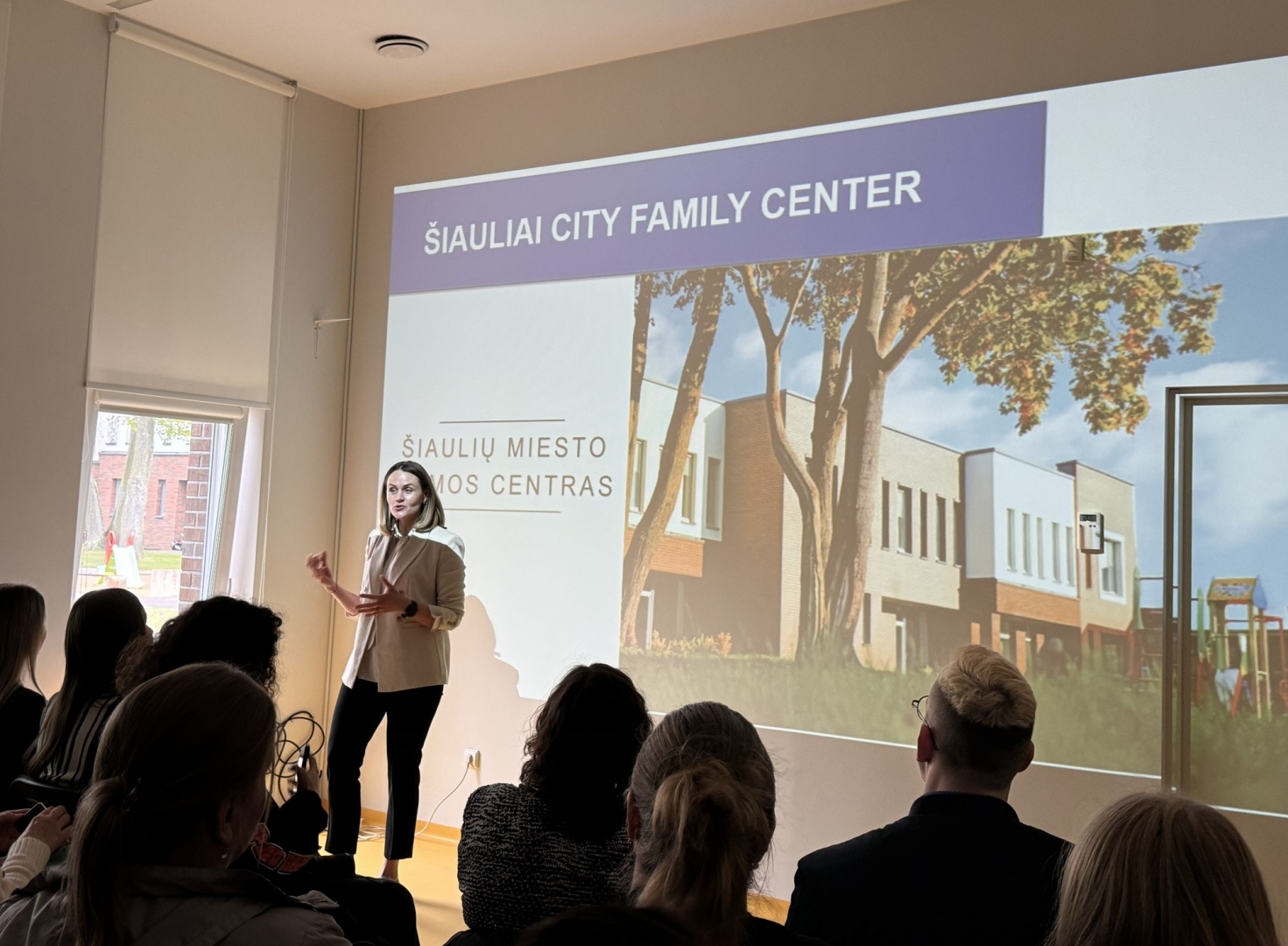
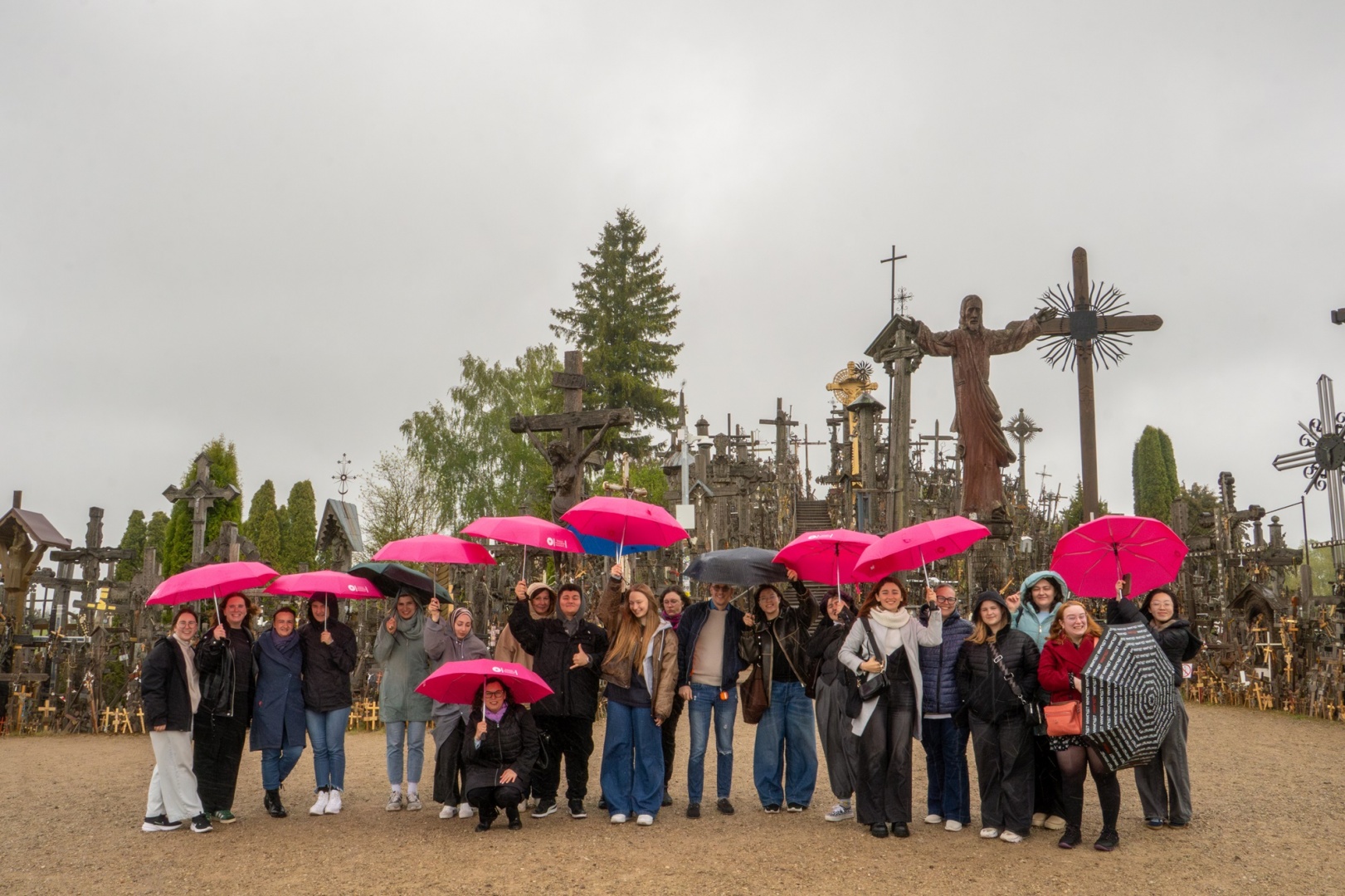
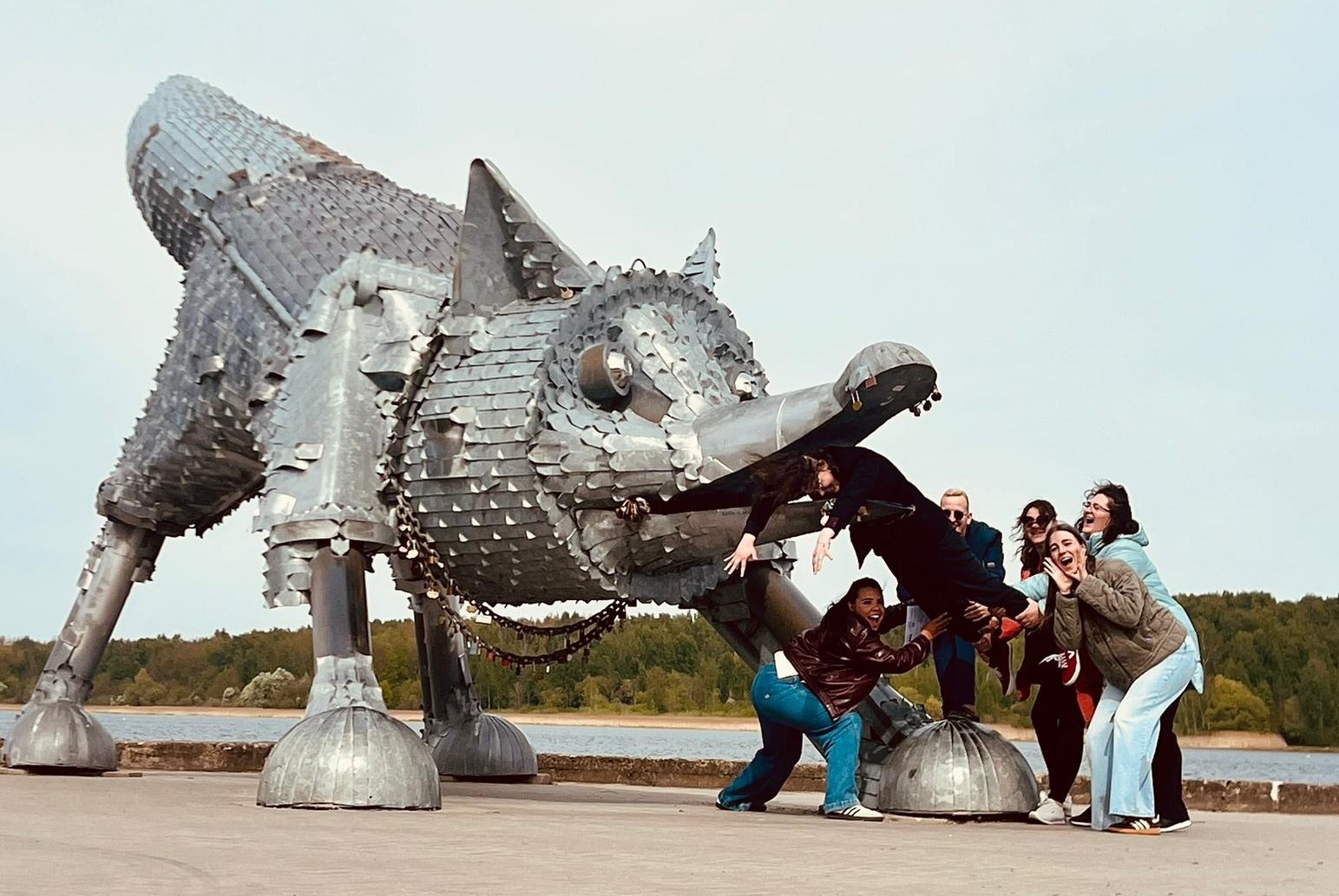
During their visit to the Šiaulių valstybinė kolegija / Higher Education Institution, students and lecturers visited the Family Center of the City of Šiauliai and the Open Youth Center of the Šiauliai District. They also took part in an excursion to the Hill of Crosses and participated in a tasting of traditional Lithuanian dishes.
The BIP activities concluded with the presentation of certificates confirming the participation of students and lecturers in the programme, followed by a pizza gathering.
Both lecturers and students evaluated this BIP programme very positively. Participants emphasized that the programme was a valuable, enriching, and engaging experience that contributed to both their academic and professional development. Particular appreciation was expressed for the combination of theoretical knowledge and practical activities, which helped participants better understand the application of social innovations when working with families, children, and youth, while also providing an opportunity to view social work from different perspectives.
The feedback also highlighted the importance of intercultural cooperation. Participants appreciated the opportunity to learn from the experiences of different countries, share good practices, and expand their international professional network. The programme encouraged creativity, the development of innovative competencies, strengthened professional and personal skills, and motivated participants to further deepen their knowledge in the field of social work.
Students and lecturers also positively evaluated the engaging, well-organized, and motivating activities. Practical workshops, visits to organizations, and teamwork strengthened participants’ ability to apply theoretical knowledge in real-life situations. Many participants noted that this experience contributed to their personal growth, professional preparation, and encouraged them to become more actively involved in other Erasmus+ programme activities.