


ERASMUS+ experience in Germany
The Erasmus+ Blended Intensive Programme brought together students and staff from different countries to explore how barriers to studying can be identified and overcome.
Day 1 – Introductions, Campus Tour and the First Session
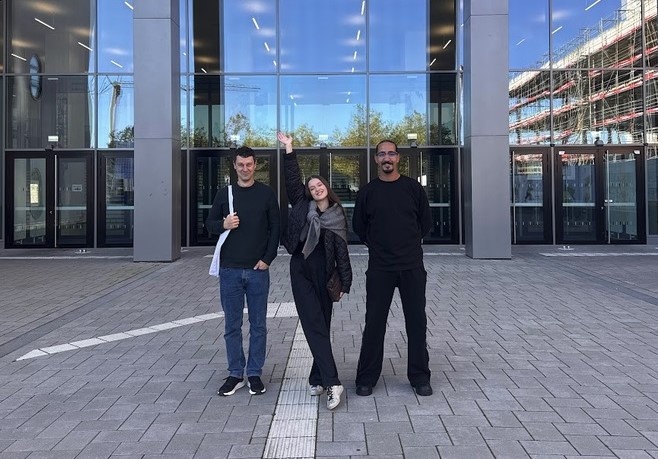
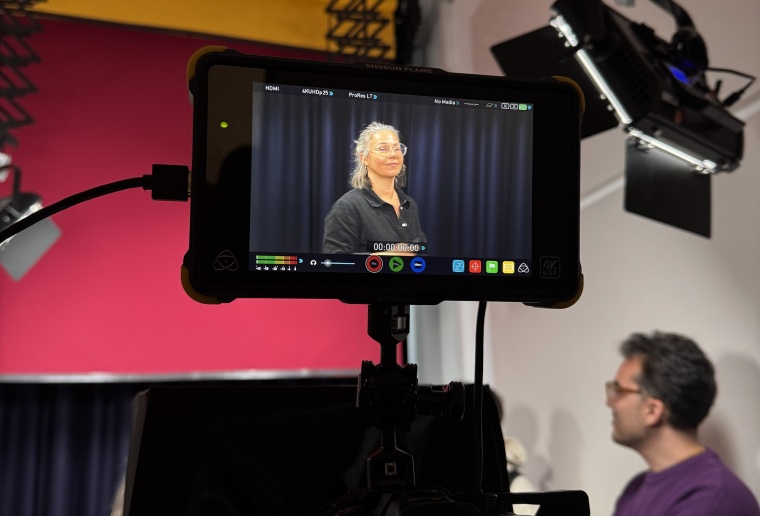
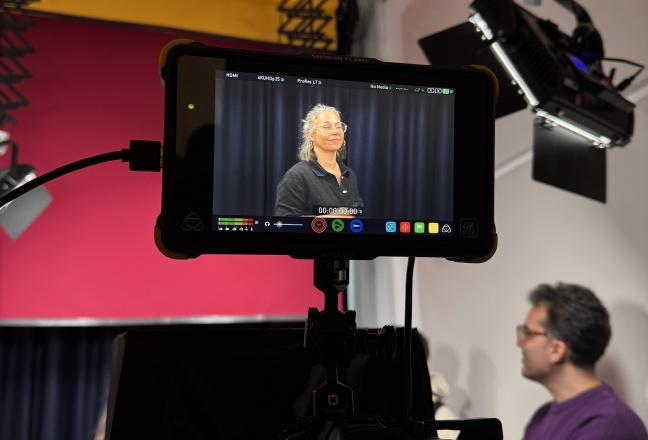
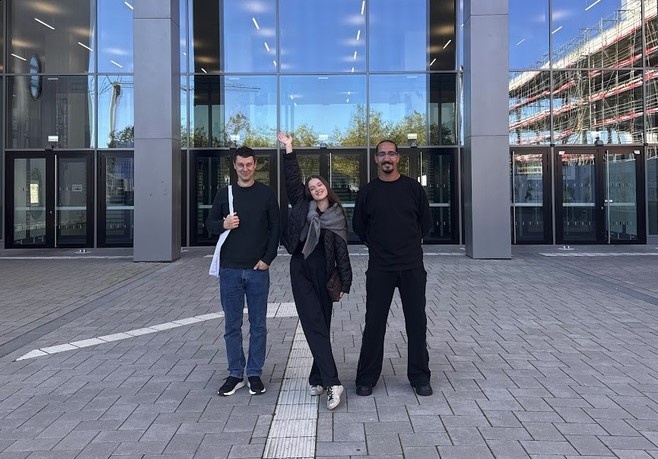
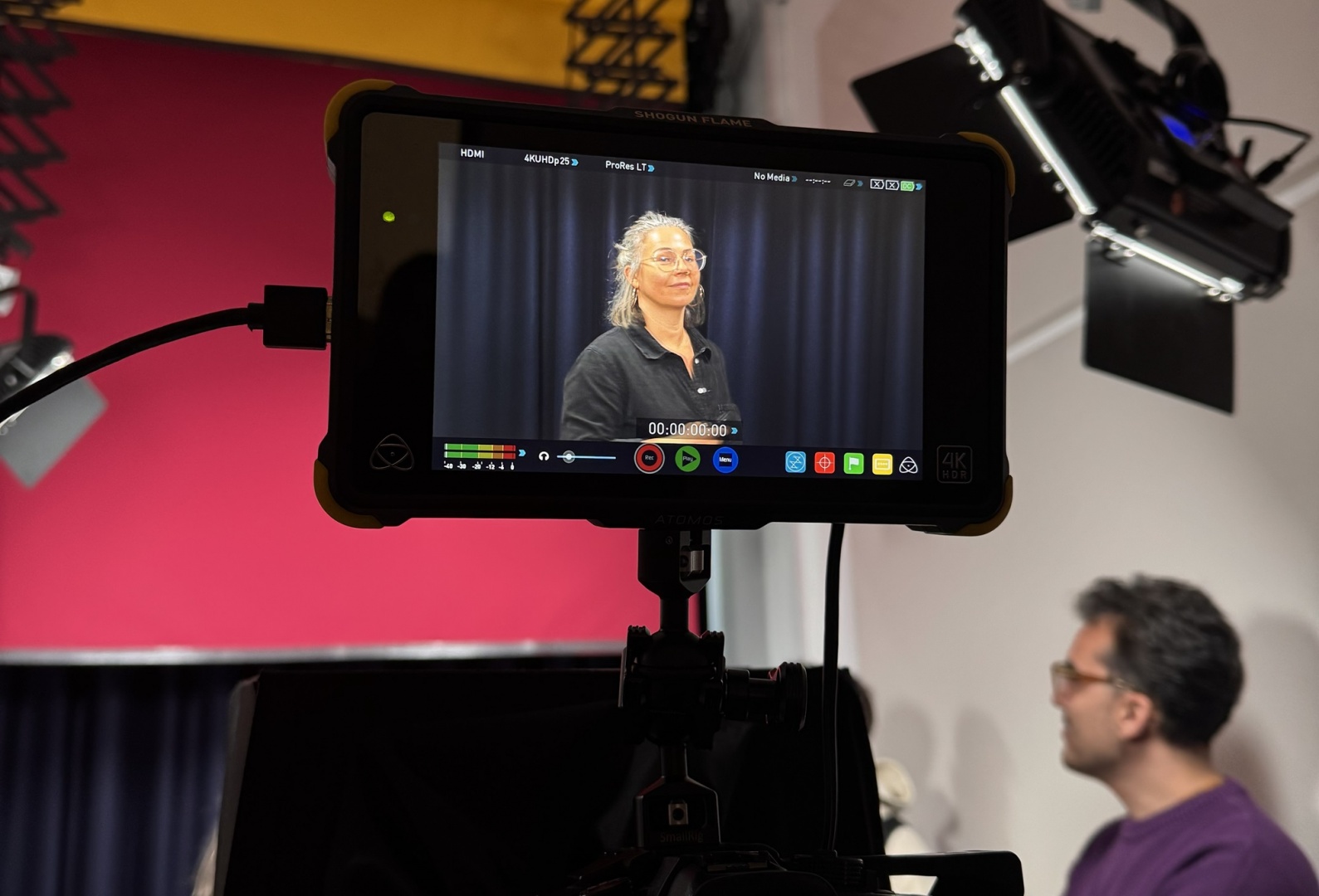
The programme began with introductions and a guided campus tour, including audiovisual production rooms and sports facilities.
Accessibility was visible throughout the campus, with tactile maps, guidance floors and accessible infrastructure integrated into the design. After lunch, we attended the first session on accessibility and digital accessibility.We also had an in-depth library tour, learning how study spaces and digital accessibility tools can support students. The day ended with a shared rooftop dinner, which gave us an opportunity to get to know each other in a more informal setting. The day showed us that accessibility is not limited to physical infrastructure — digital tools and a welcoming environment are equally important in helping students feel included.
Day 2 – Teamwork, ZAB and the Diversity Office
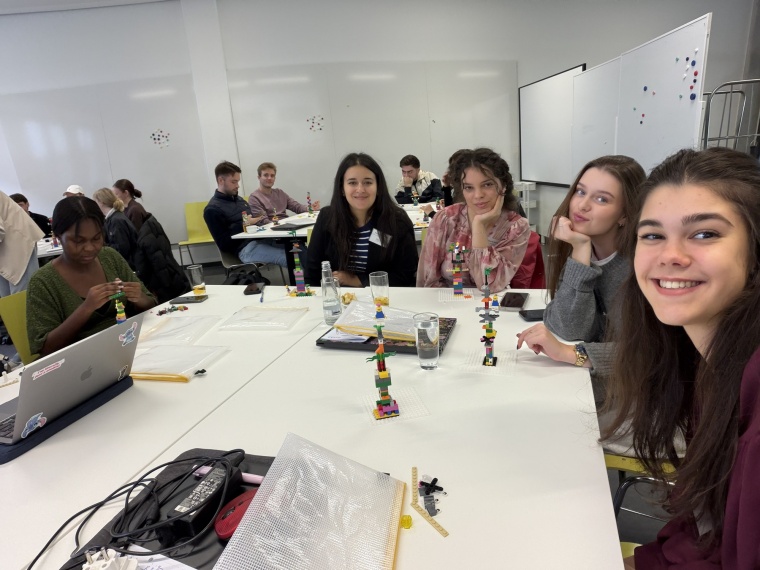
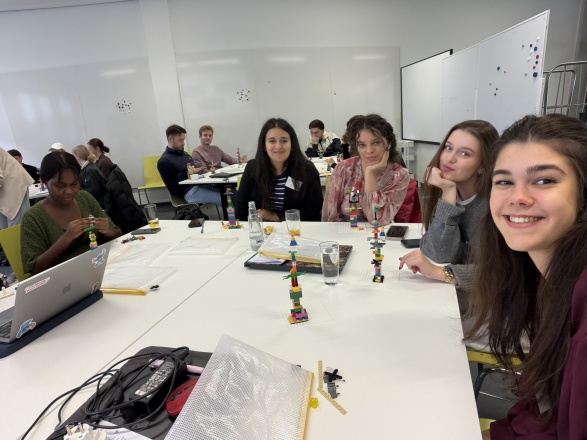
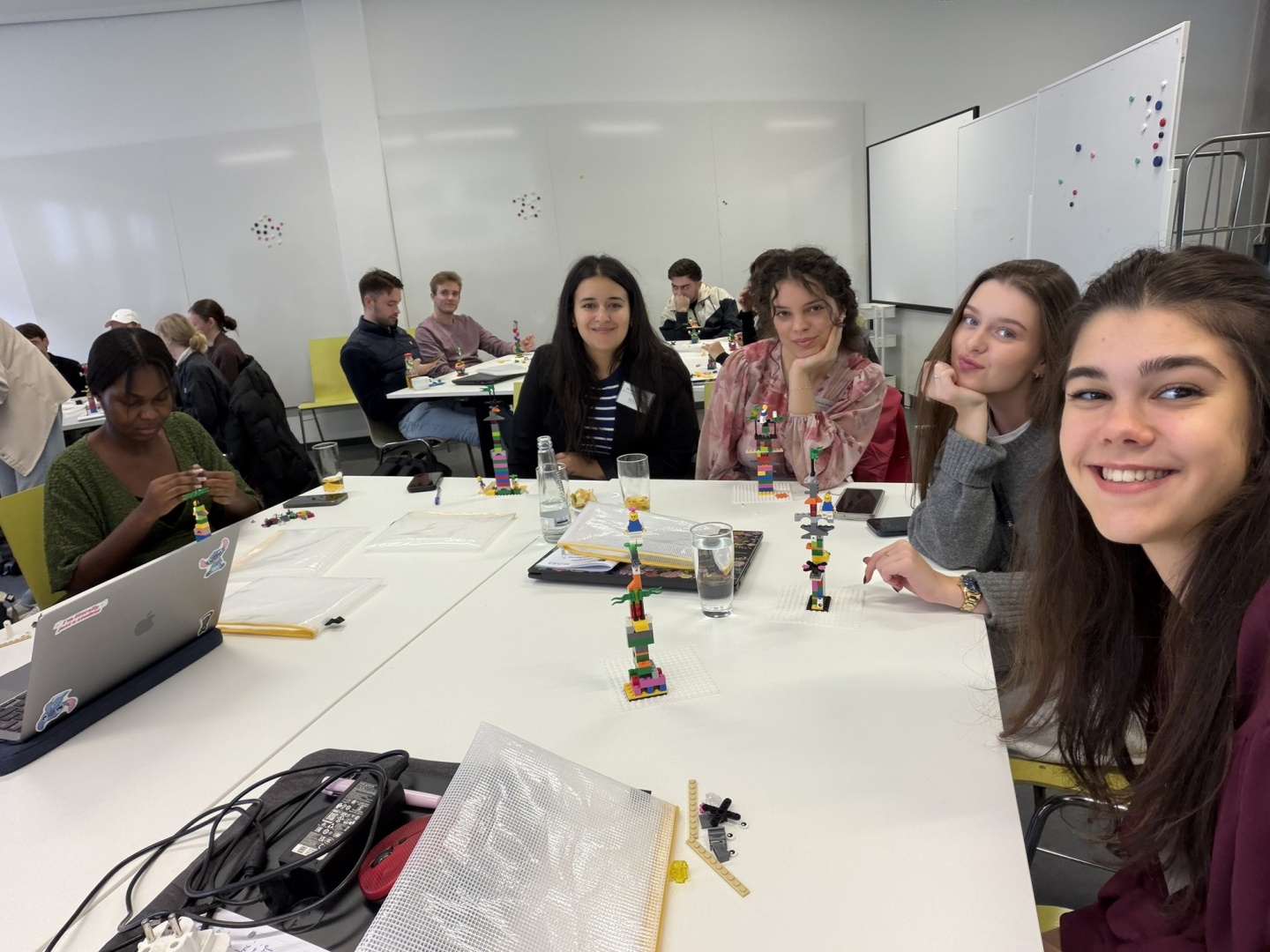
We started the day in Building X with a LEGO team-building challenge, constructing a tower and a bridge. The activity highlighted the importance of communication and teamwork.
We also learned about ZAB (Central Office for Foreign Education in Germany) and its role in evaluating foreign qualifications and issuing Statements of Comparability.
In the afternoon, the Diversity Office introduced its work in student support, anti-discrimination and equal opportunities. This showed us that inclusion also depends on institutional support, fair treatment and recognition of different student backgrounds.
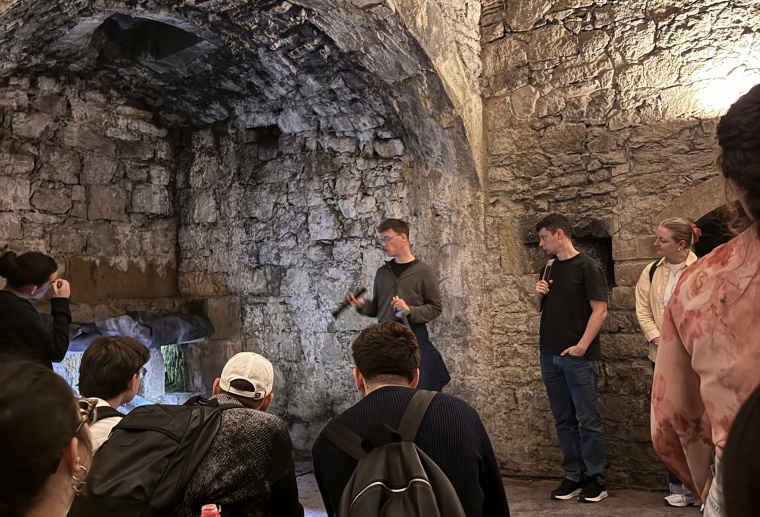
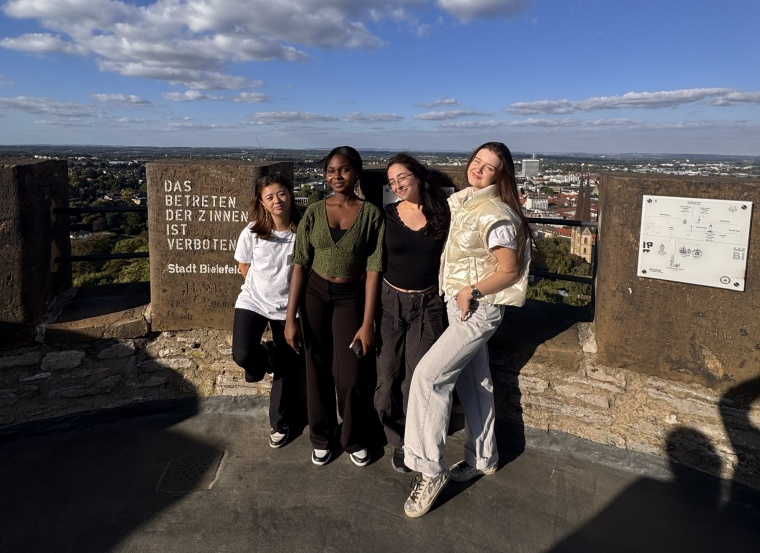
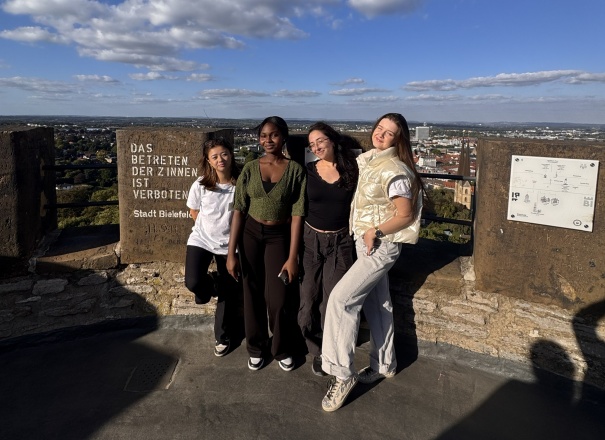
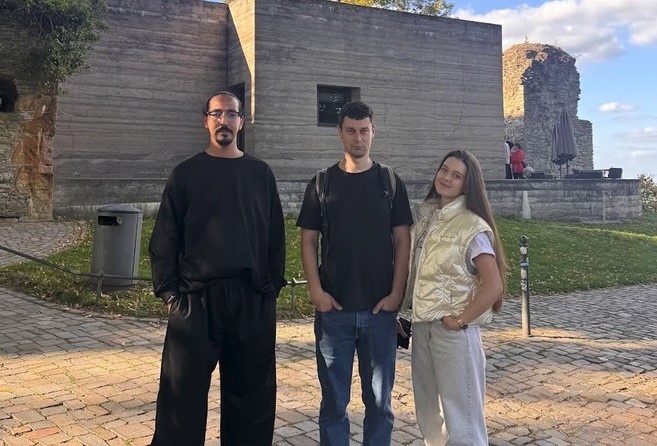
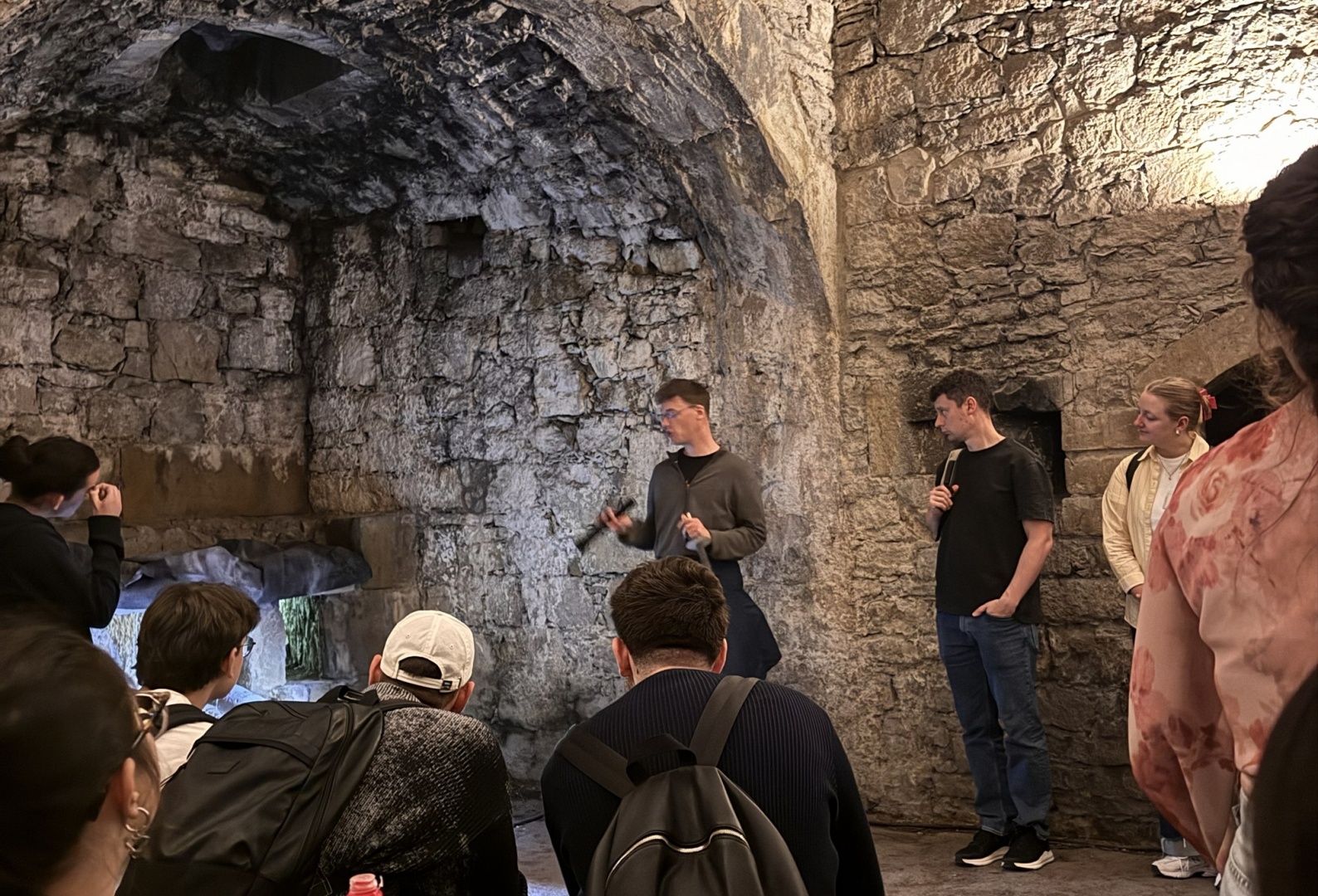
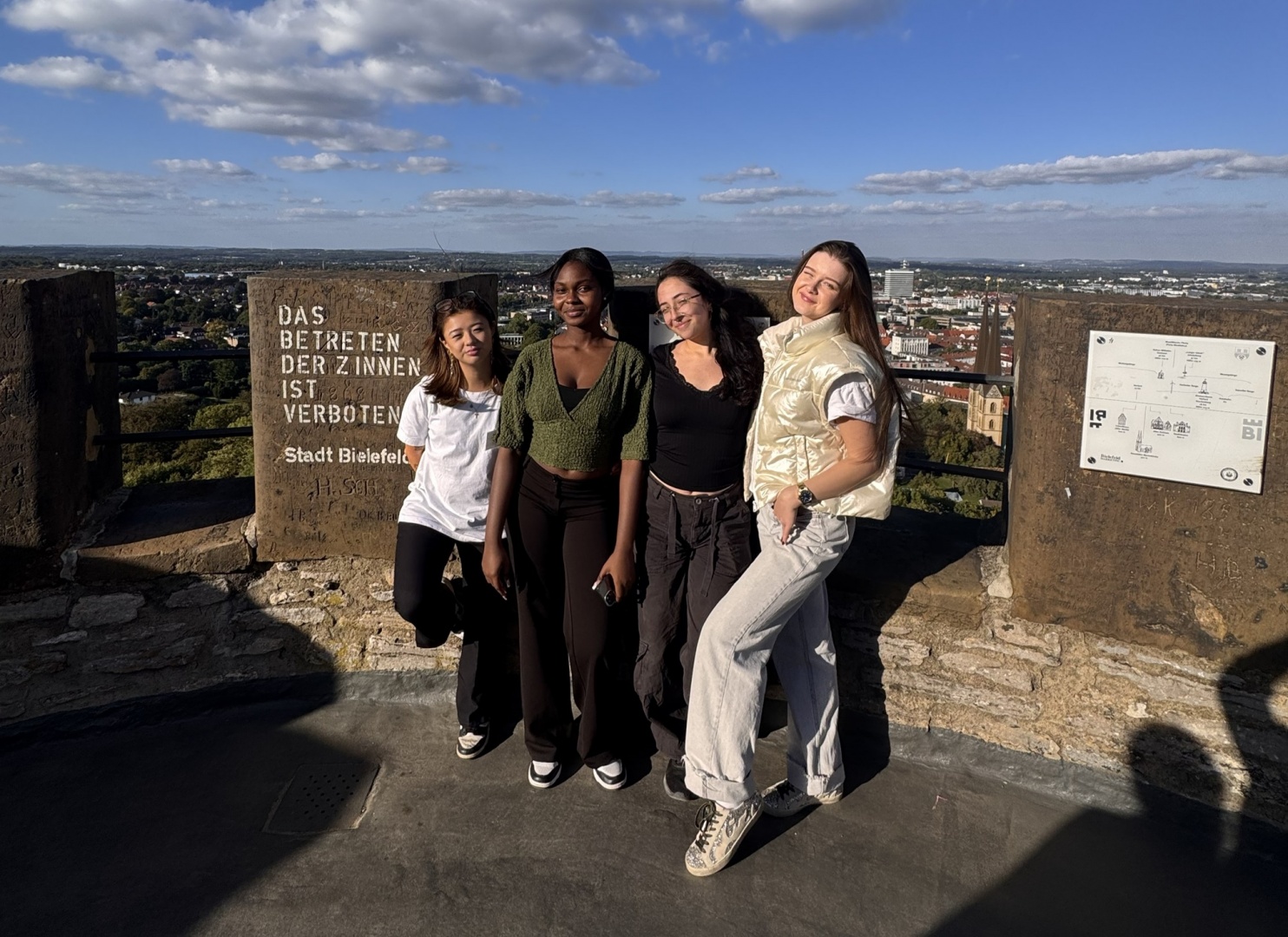
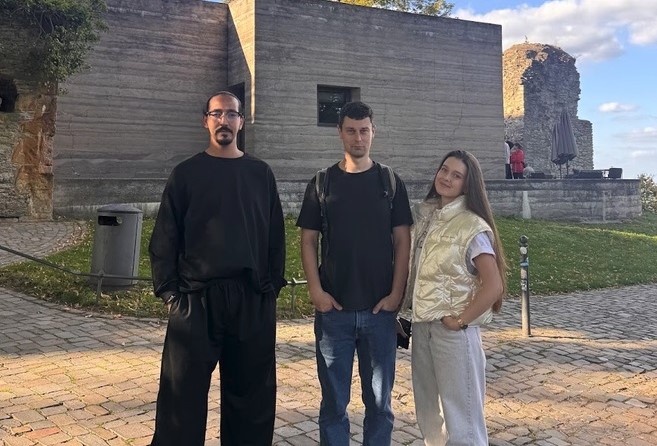
Later, we visited Sparrenburg Castle, a 13th-century fortress and one of Bielefeld's main historical landmarks. We explored the tunnels, casemates, castle kitchen and former prison cells and enjoyed views of the city and the Teutoburg Forest. After a full day of sessions, the shared experience gave us another opportunity to strengthen connections within the group.
Day 3 – Identifying Barriers and Designing Solutions
The third day focused on academic and structural barriers students may face during their studies.
Working in international groups, we identified challenges on sticky notes and discussed possible solutions. In the afternoon, we worked with SVAKO colleagues and international peers to structure and finalise our poster for the Bielefeld programme.
The activities showed that barriers can be physical, academic, institutional, social or digital. Making these challenges visible helped us understand them more clearly and consider practical ways to address them.
Day 4 – Student Initiatives and an Evening of Cultures
We learned about student-led non-profit initiatives such as LiLi, showing how students can identify needs and create support within their communities.
The Lithuanian delegation then taught the group a traditional Lithuanian dance. Despite the fast pace, everyone joined in.
During the International Evening, each delegation presented its country, history and culture. The SVAKO delegation shared Lithuanian history and traditions. The evening ended with a multicultural buffet.
The day demonstrated how student initiative can create meaningful change and how cultural exchange can bring people from different backgrounds together.
Day 5 – Poster Exhibition, Certificates and Farewell
On the final day, each team presented its poster and answered questions from participants and organisers. The exhibition gave us an opportunity to share the ideas developed throughout the week.
Afterwards, we travelled to the farewell lunch, where we had one final opportunity to spend time together.
We received our Certificates of Attendance, worth 3 ECTS credits, and signed a commemorative group poster before saying goodbye.
What We Take Back to SVAKO
The programme showed us that accessibility is holistic. Physical design, digital tools, institutional culture and student support all contribute to an inclusive learning environment.
We gained practical ideas, particularly through barrier mapping and the work of the Diversity Office, which can provide useful approaches to student support and equal opportunities.
Working with international peers strengthened our teamwork and communication skills and gave us new perspectives on accessibility in higher education.
We arrived as participants from different countries and left with new ideas, connections and a shared understanding that breaking down barriers starts with identifying them and working together to address them.
Youssef Arouhane (International Business), Simonas Goda (Information Management), Greta Dubrovina (Cosmetology / Corporate Communication and Marketing)