


A Week of Academic Exchange and European Spirit at Šiaulių valstybinė kolegija
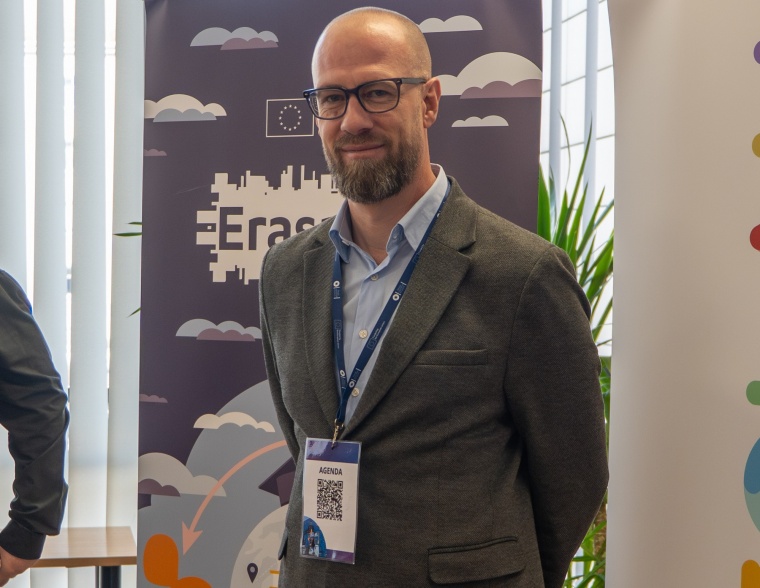
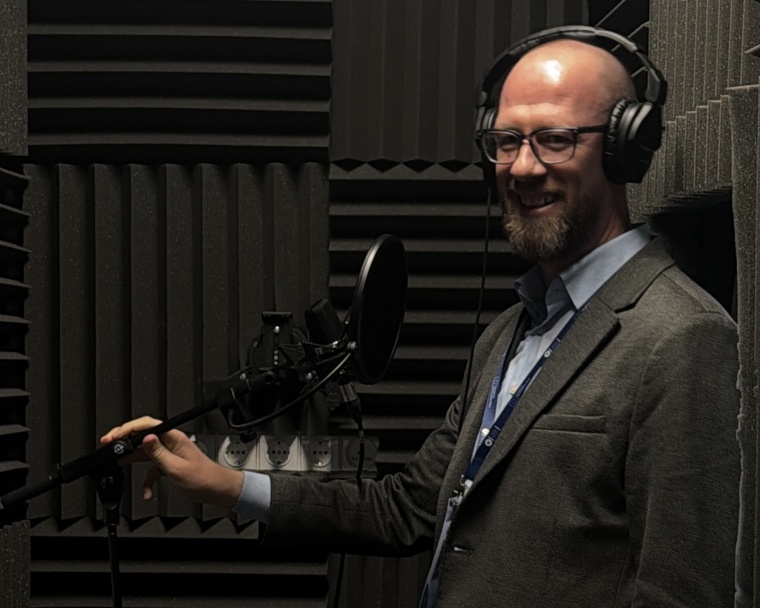
In April, a lecturer from Albania, Vehap Kola, visited our institution under the Erasmus+ teaching programme.
We are sharing Vehap’s impressions of his visit:
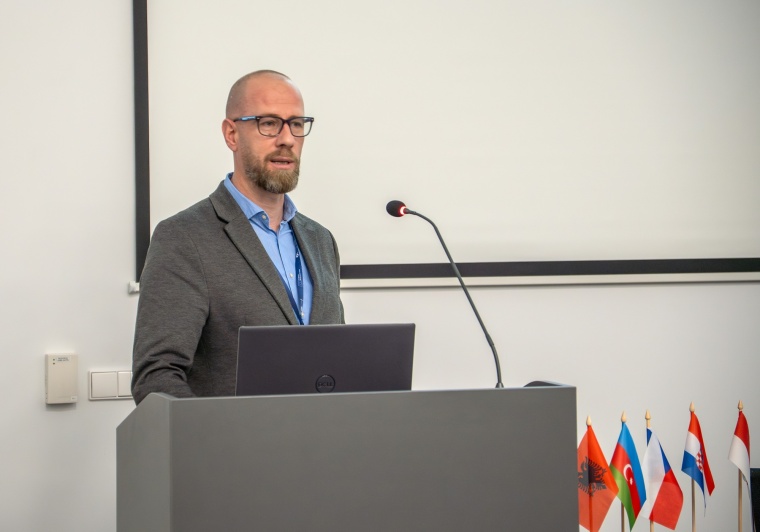
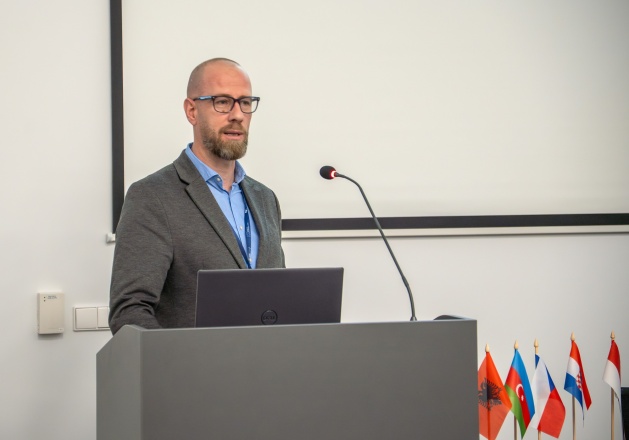
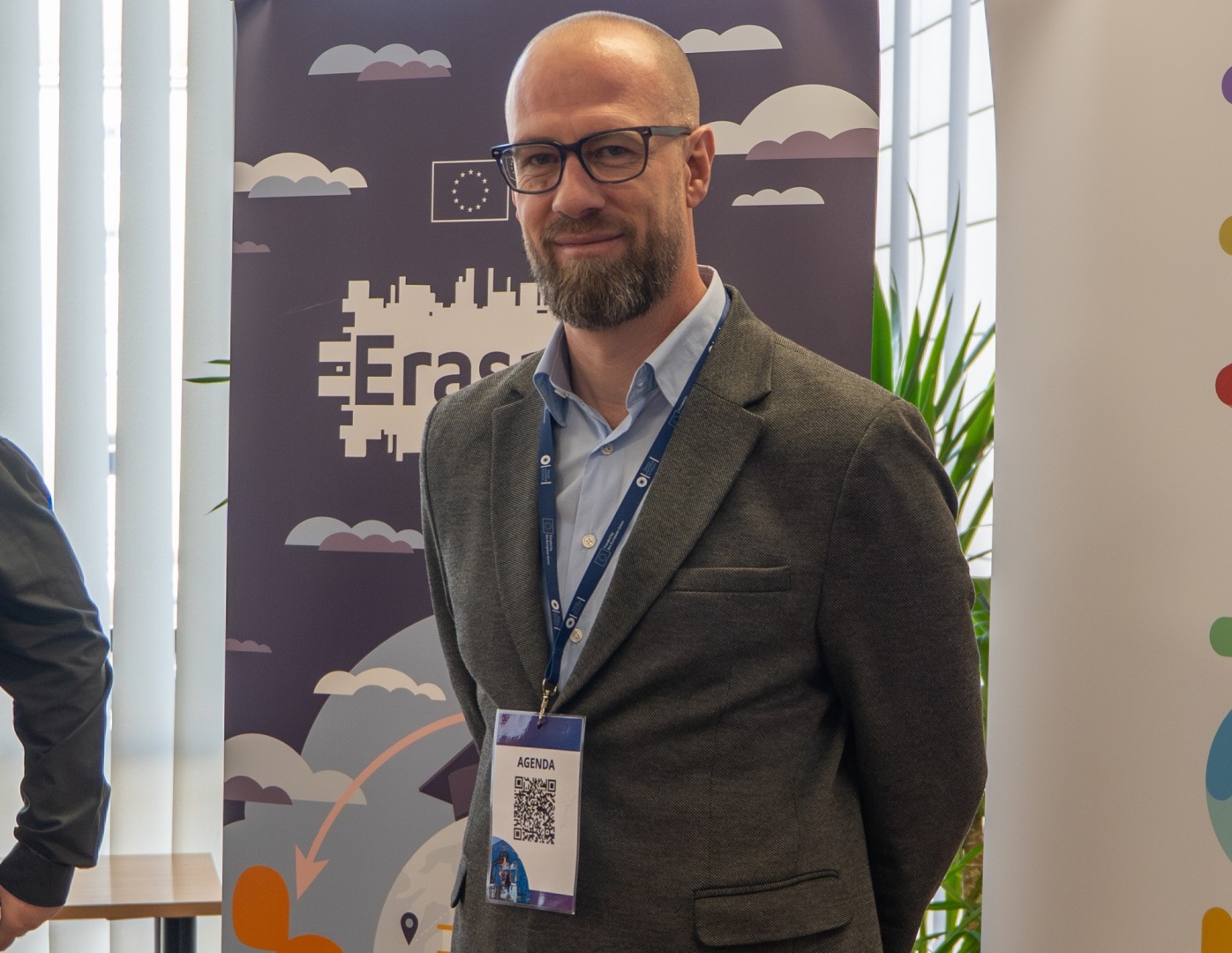
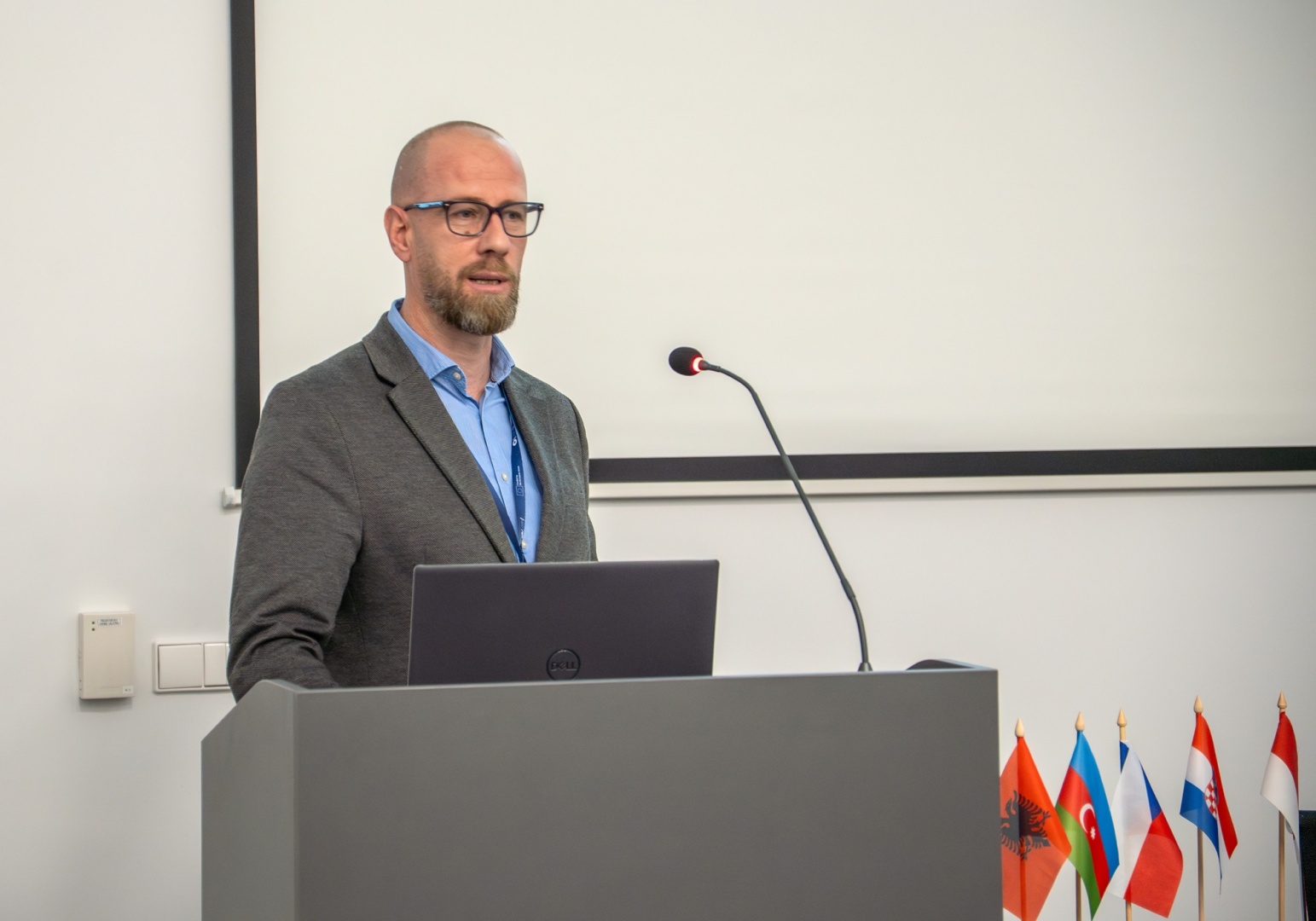
“From 13 to 17 April 2026, I had the pleasure of participating in the International Staff Week hosted by Šiaulių valstybinė kolegija / Higher Education Institution in Lithuania, as a representative of the University of New York Tirana, within the framework of the Erasmus+ mobility programme.
Far more than a teaching visit, it was an immersion into a culture of openness, intellectual generosity, and shared academic purpose.
Šiauliai left a profound impression on me as a serene, green, and remarkably clean city whose quiet beauty seems to encourage reflection. Equally memorable was the warmth and hospitality of the people, who made every encounter feel sincere and welcoming.
At ŠVK, I encountered a dynamic and forward-looking institution, with scholars genuinely eager to cooperate in research, pedagogical innovation, and academic exchange. Particularly memorable was a thorough and very open conversation with colleagues at the Faculty of Business and Technologies, where we explored potential avenues of cooperation ranging from research collaboration and staff exchange to joint academic initiatives and possible longer-term institutional partnerships. What made the discussion especially meaningful was its openness and collegial spirit; it felt less like a formal meeting and more like a substantive dialogue among peers seeking common ground for future work. More broadly, conversations with academics throughout the week quickly moved beyond protocol into discussions of shared scholarly concerns, future collaboration, and the role of higher education institutions in addressing emerging societal and technological transformations. There was a visible institutional ethos of cooperation that made these exchanges particularly encouraging.
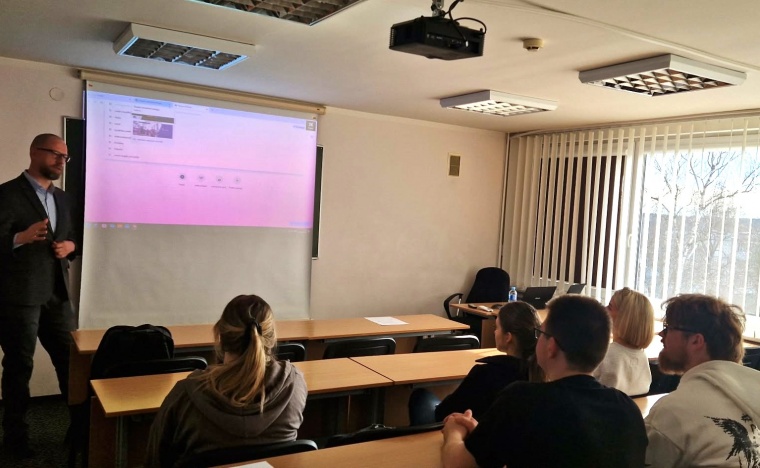
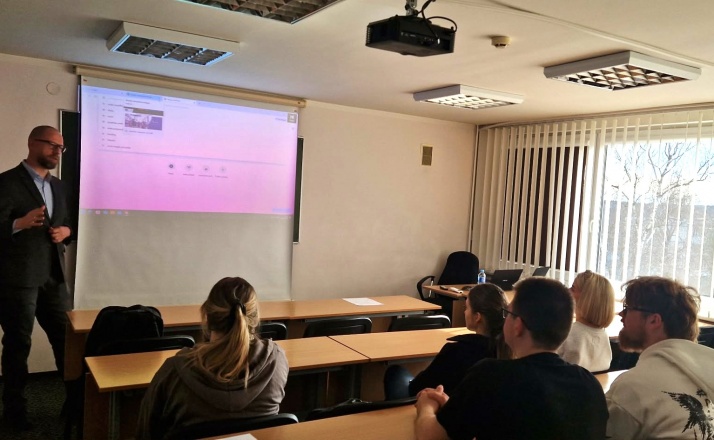
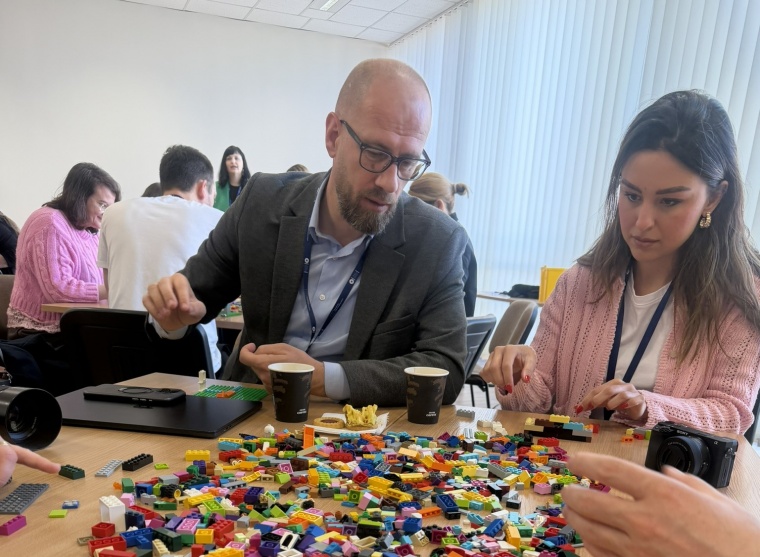
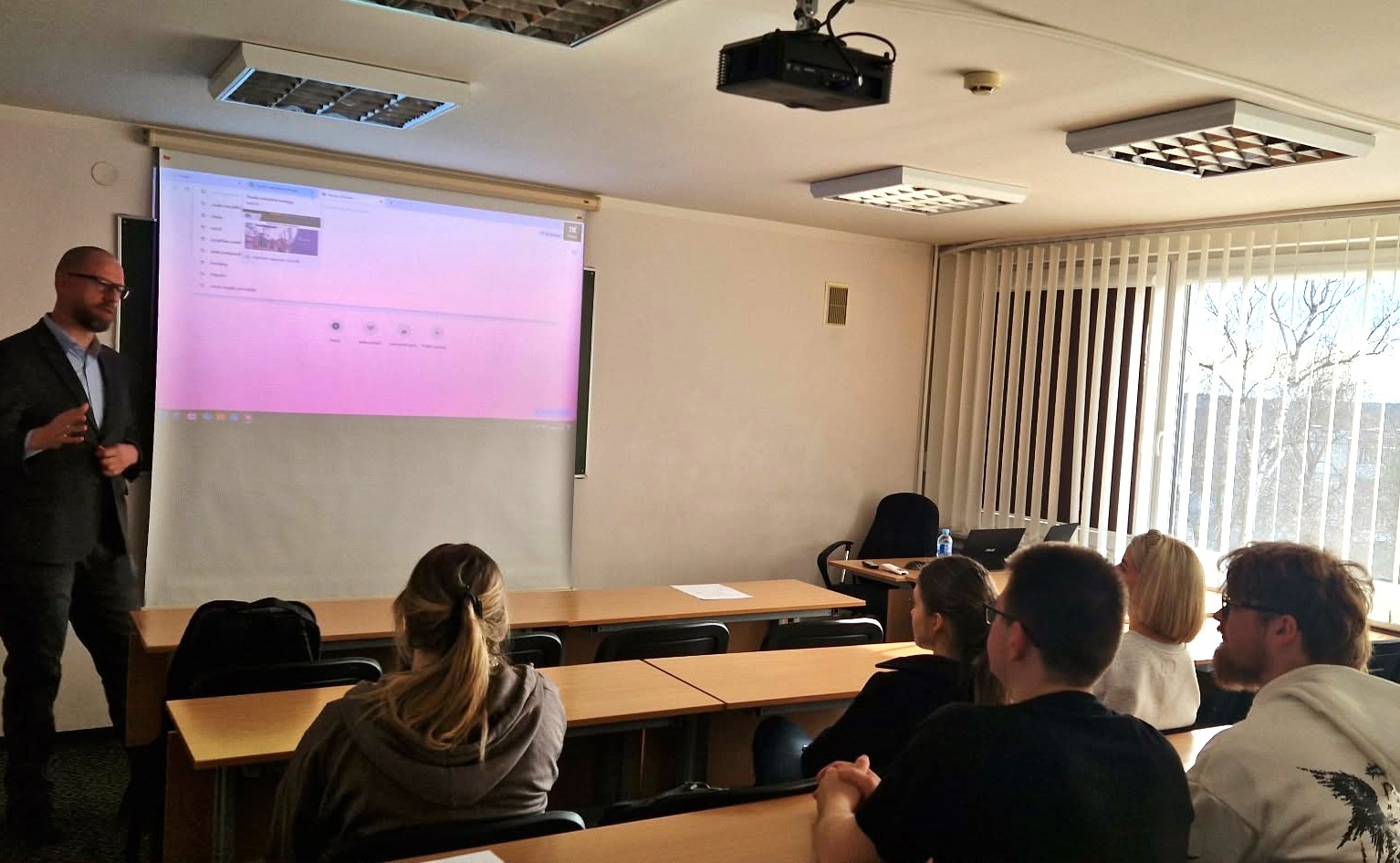
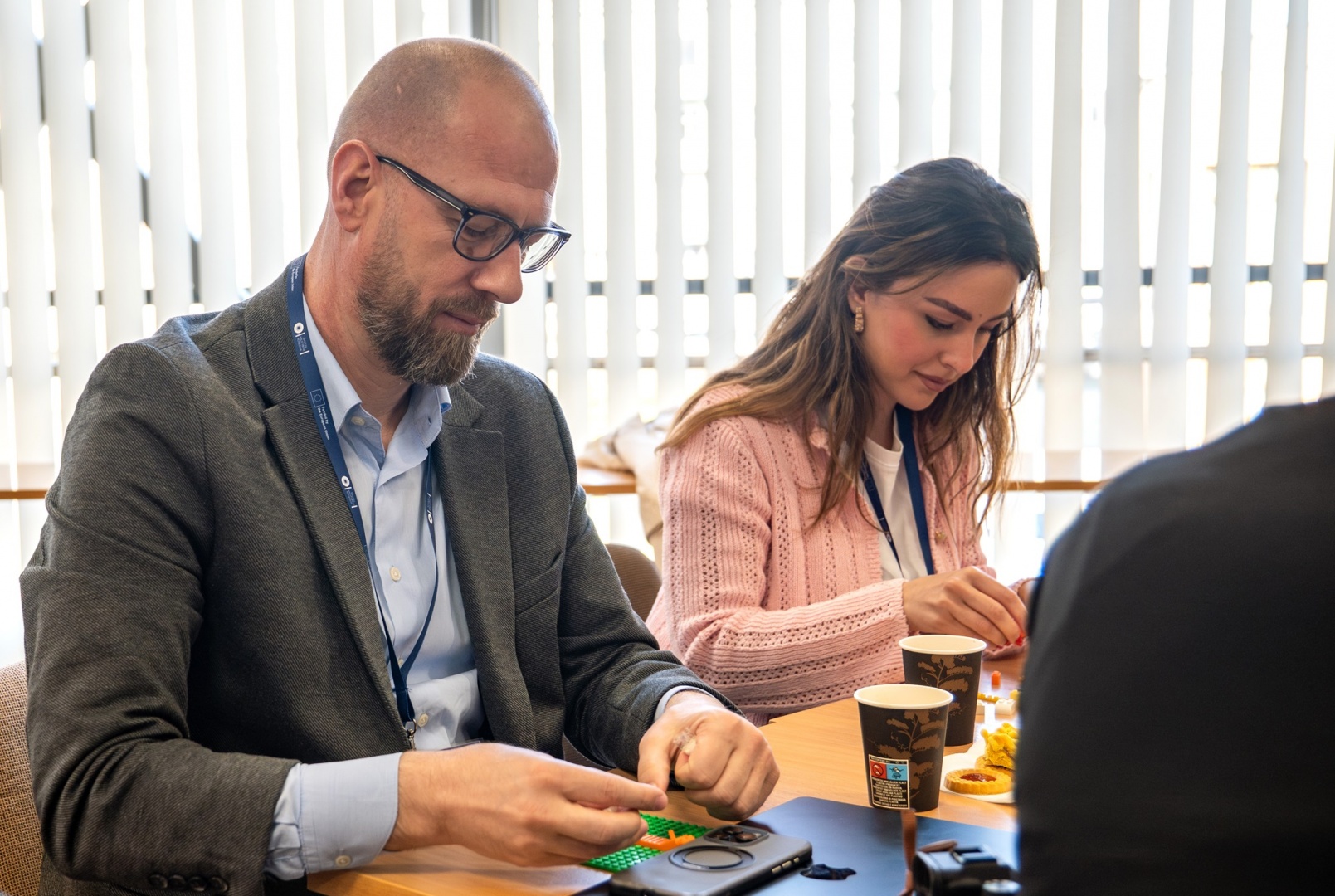
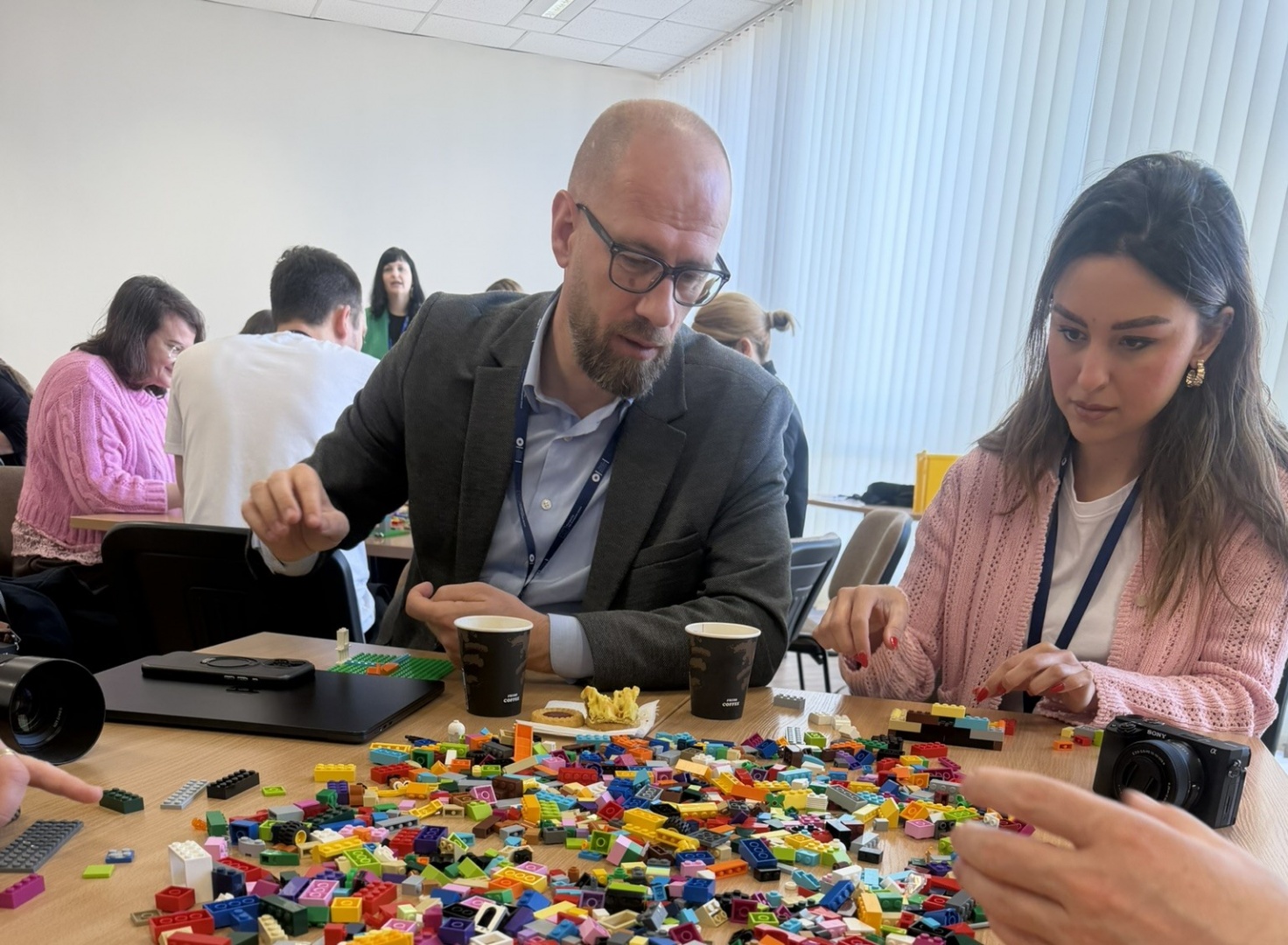
A central highlight of the week was my engagement with students from Multimedia Technologies, International Business, and Information Systems Technology. Rather than approaching the sessions as conventional lectures, we entered into a sustained dialogue about the futures of higher education. Using Causal Layered Analysis (CLA) as a futures methodology, we collectively examined what Sohail Inayatullah calls the used future, those inherited assumptions and models that continue to shape universities, while also exploring alternative and desirable futures for higher education in the age of AI.
The students approached these discussions with intellectual curiosity and impressive critical sharpness. Together, we moved from surface-level concerns about digitalization and artificial intelligence to deeper questions about the purposes of universities, the competencies future graduates may need, and the metaphors through which we imagine education itself. What emerged from this exercise was a genuinely collaborative exploration of futures.
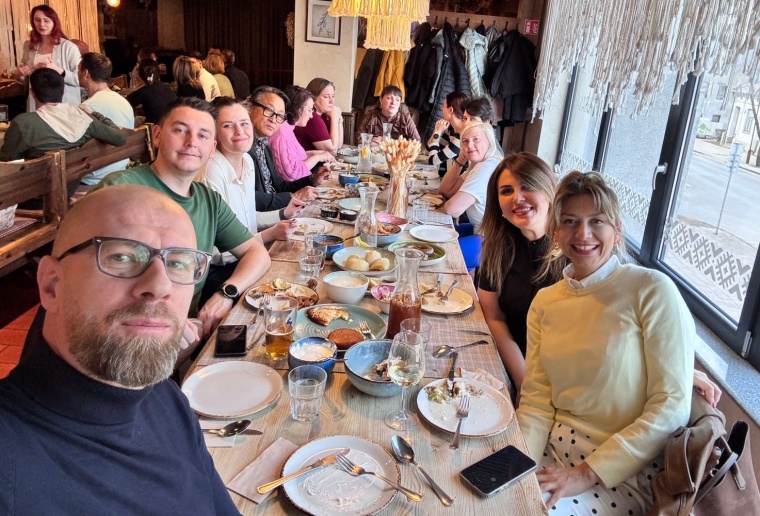
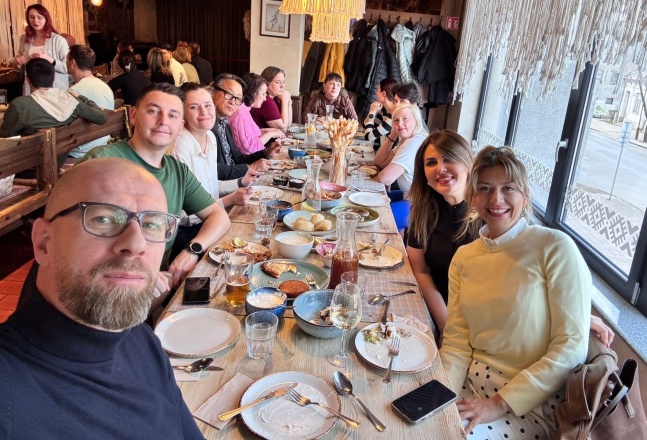
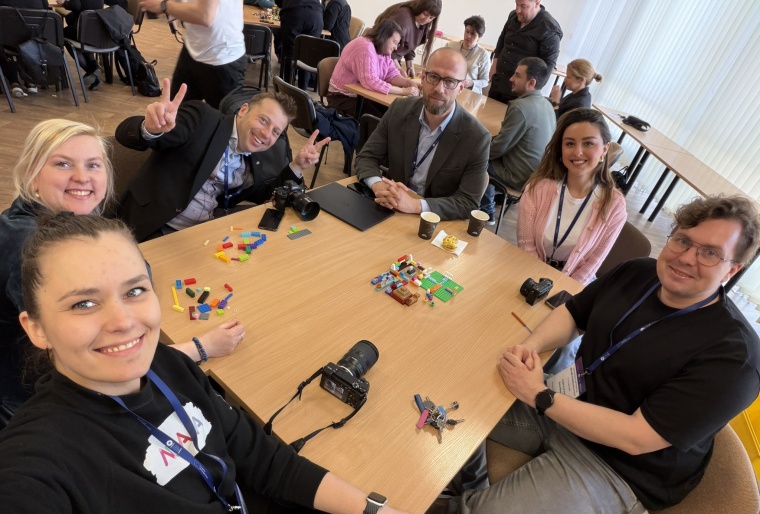
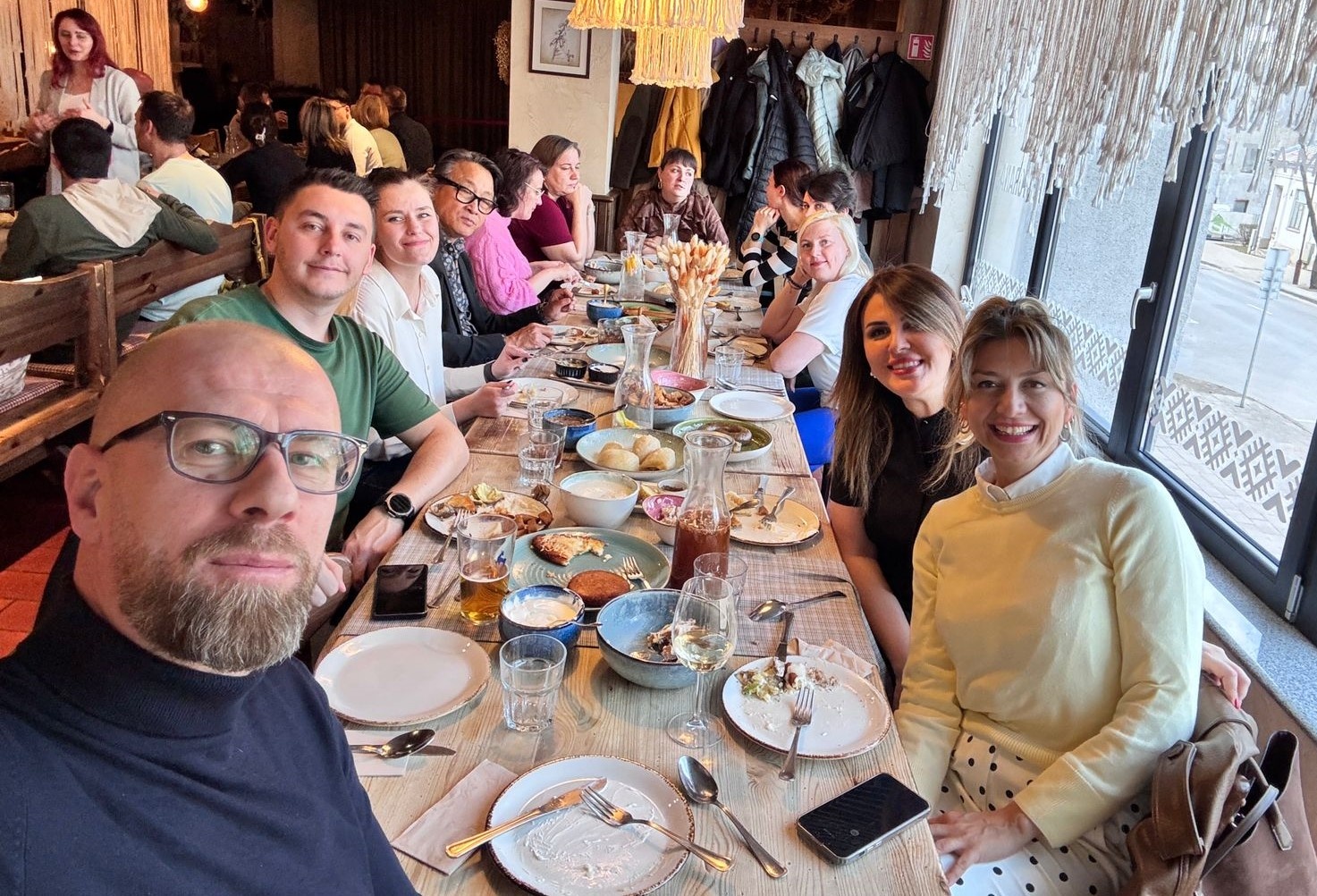
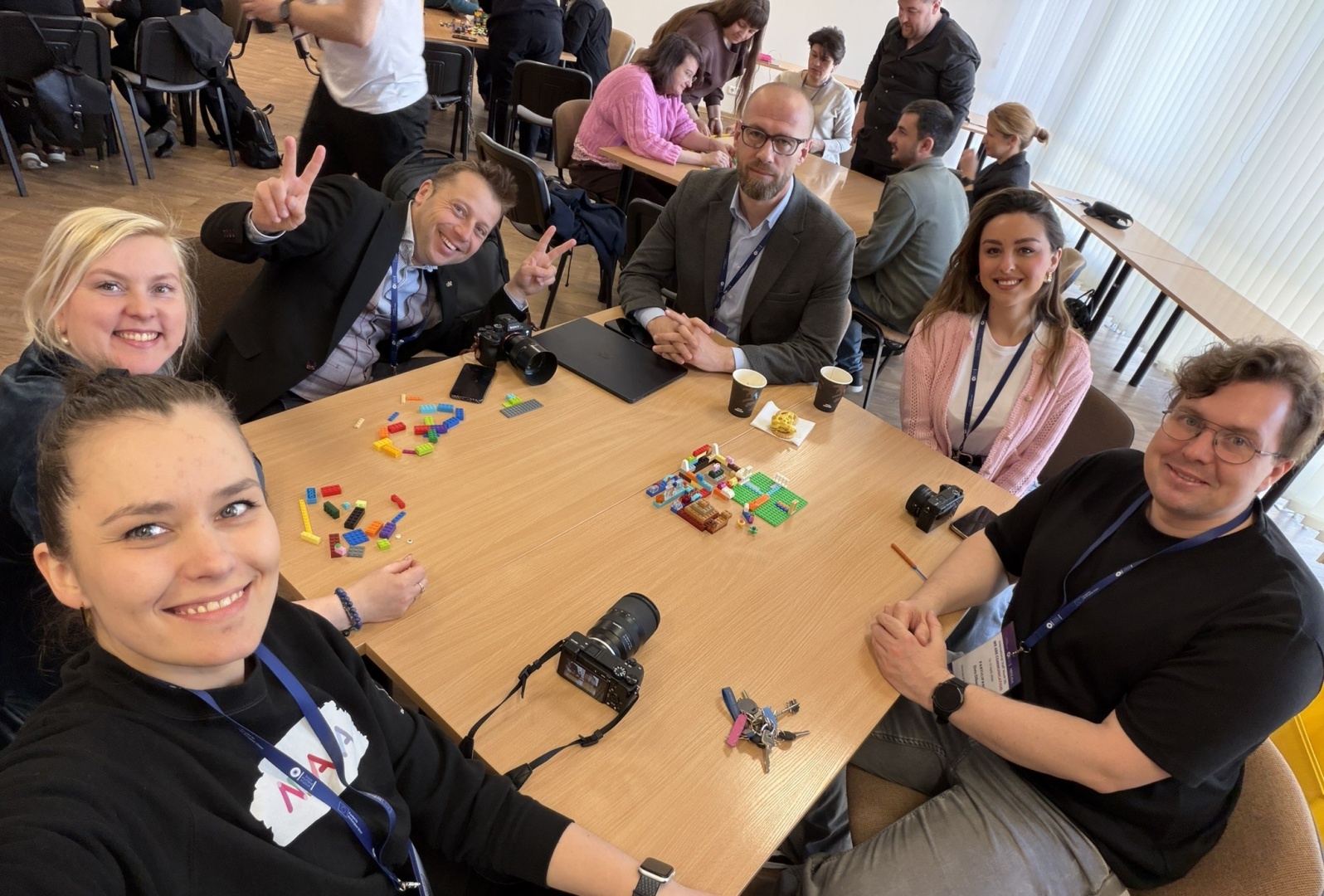
One of the most inspiring aspects of the week was its international character. Academics from different parts of the world gathered in what felt less like a formal program and more like a festival of knowledge, dialogue, and networking oriented toward bright futures. Informal exchanges often proved as enriching as formal sessions, opening possibilities for enduring professional relationships.
The experience reaffirmed something fundamental for me: this is what Europe means at its best: joined efforts to work together without bias, through mutual respect, intellectual openness, and solidarity across borders. In an age marked by fragmentation, such spaces remind us that cooperation remains a lived possibility.
I return from Lithuania deeply grateful, for the hospitality of ŠVK, for the engagement of its students and scholars, and for the ideas and partnerships that began to take shape during this inspiring week. I leave with renewed optimism about academic cooperation and with a stronger belief that universities can be spaces not only for transmitting knowledge, but for collectively imagining better futures.”